



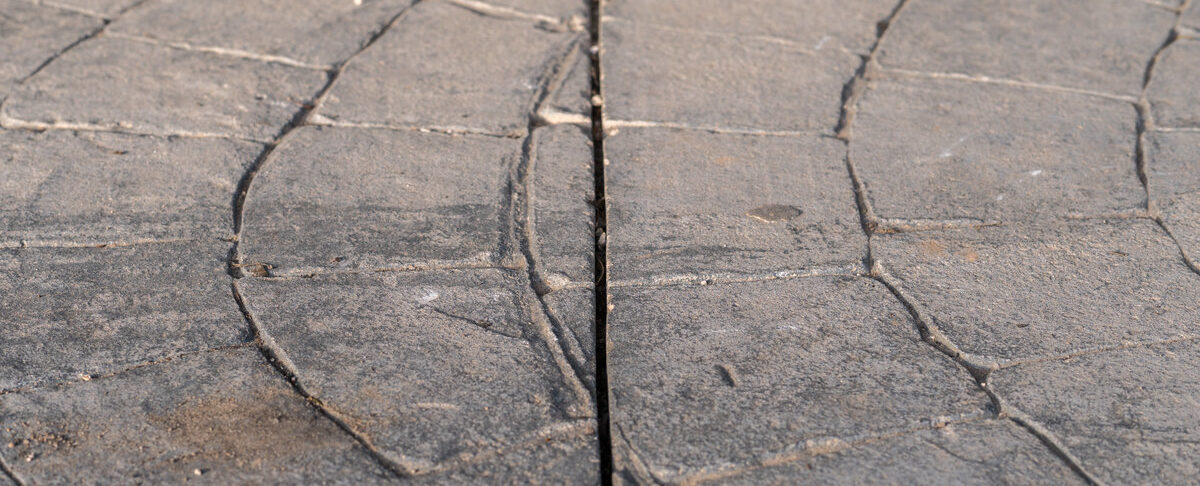
Concrete surfaces may look tough and permanent, but they’re constantly affected by temperature, moisture, and ground movement. These shifts cause concrete to expand and contract throughout the year. Cracks and uneven surfaces are almost guaranteed without a way to handle that movement. This is especially true for patios. These outdoor slabs face direct sun, rain, snow, and shifting soil. That’s why expansion joints aren’t optional; they’re critical to the life and safety of your concrete patio.
What Are Expansion Joints in Concrete Patios?
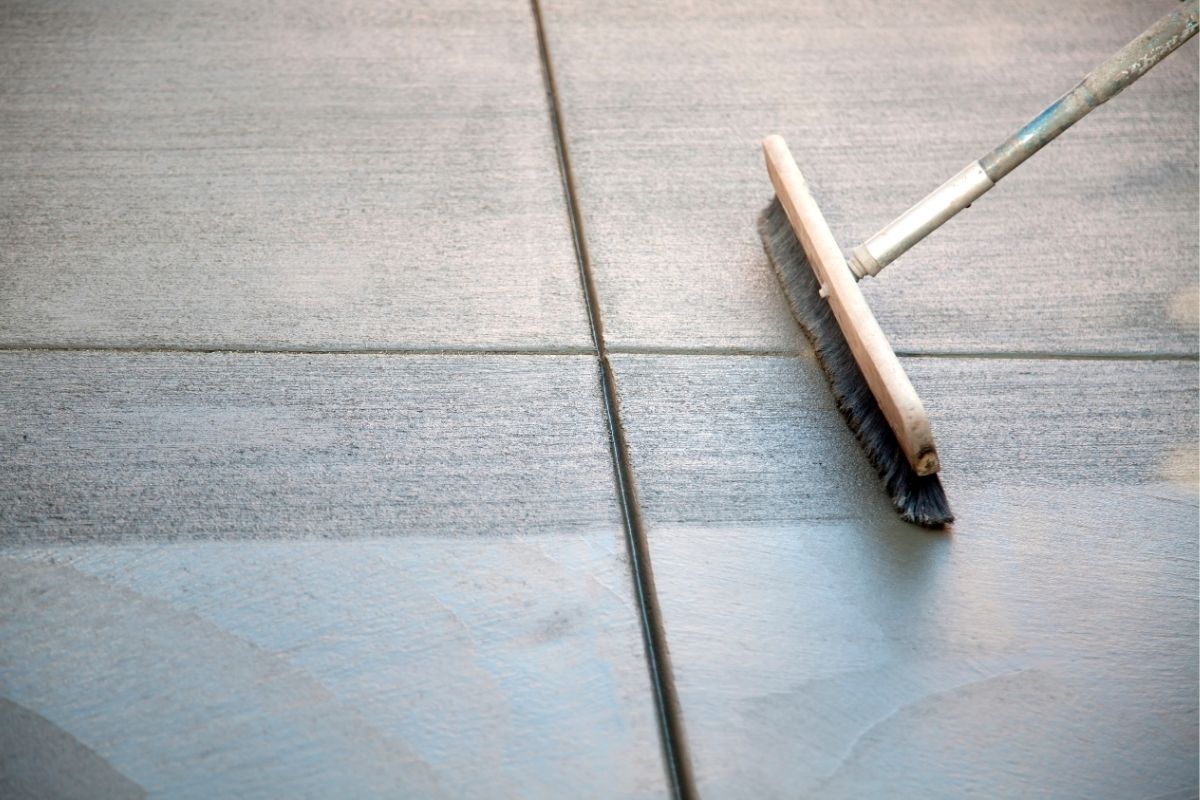
Expansion joints in concrete patios are planned gaps between slabs that allow space for the concrete to move. They prevent pressure from building up when the concrete expands, reducing the risk of cracks and other damage.
These joints are often filled with flexible material like rubber or foam to absorb the stress. Without them, a solid patio slab could push against itself and break apart. This is a critical consideration for new pours and is equally important when doing a concrete overlay for patios, where the underlying joints must still be accounted for to prevent future issues.
Types of Joint Materials
- Rubber or Foam: Flexible, weather-resistant, and ideal for patios.
- Plastic or PVC Inserts: Durable and resistant to rot or pests.
- Wood: Used in older patios, but prone to decay over time.
The type of material depends on climate, load, and how long the patio is expected to last.
Why Your Patio Needs Expansion Joints
While ignoring joints during construction may save time upfront, it’s a primary cause of the issues that require you to fix damaged concrete patio areas later. As seasons change, the concrete expands and contracts, putting stress on the slab that, without joints, has nowhere to go.
Expansion joints in concrete patios help avoid this by allowing for natural movement. The result is a smoother surface, fewer cracks, and lower repair costs.
Key Advantages
- Crack Prevention: Controls stress points before cracks can form.
- Longer Lifespan: Reduces wear and keeps the patio stable.
- Improved Safety: Helps prevent uneven surfaces or tripping hazards.
- Better Appearance: Maintains clean lines and fewer visual flaws.
Where and How Joints Should Be Placed
Correct placement is just as crucial as using joints at all. Generally, expansion joints should be spaced every 4 to 6 feet for most patio sizes. They should also be placed:
- Where the patio meets a house or walkway.
- Along with large areas to control stress.
- Where past patios have shown signs of cracking.
Therefore, understanding the ideal concrete patio thickness is necessary to ensure your joints are created to the correct depth using tools like saws or joint tools for clean, accurate lines, providing essential accommodation for concrete movement.
Caring for Your Expansion Joints
Even though joints are designed to be durable, they still need regular attention. Weather, dirt, and time can cause the joint filler to wear out. If that happens, the joint loses its ability to protect the patio from movement and water.
Maintenance Tips
- Inspect Annually: Look for worn filler, weeds, or cracks.
- Clean as Needed: Remove debris or buildup inside the joints.
- Re-Seal When Needed: Replacing old filler helps keep the joint flexible and effective.
Simple concrete patio maintenance tips go a long way in protecting your patio investment.
Recap: Protecting Your Patio with Proper Joints
Expansion joints in concrete patios may seem like a small detail, but they play a significant role in keeping your outdoor space in excellent condition. Whether building new or maintaining an existing slab, don’t overlook the importance of proper joint placement and upkeep. Minneapolis concrete patio contractors like Richfield Concrete understand the importance of every detail, including expansion joints. For expert installation and long-lasting results, contact Richfield Concrete today. We’ll help you build a patio that stands up to time, weather, and everyday use.