



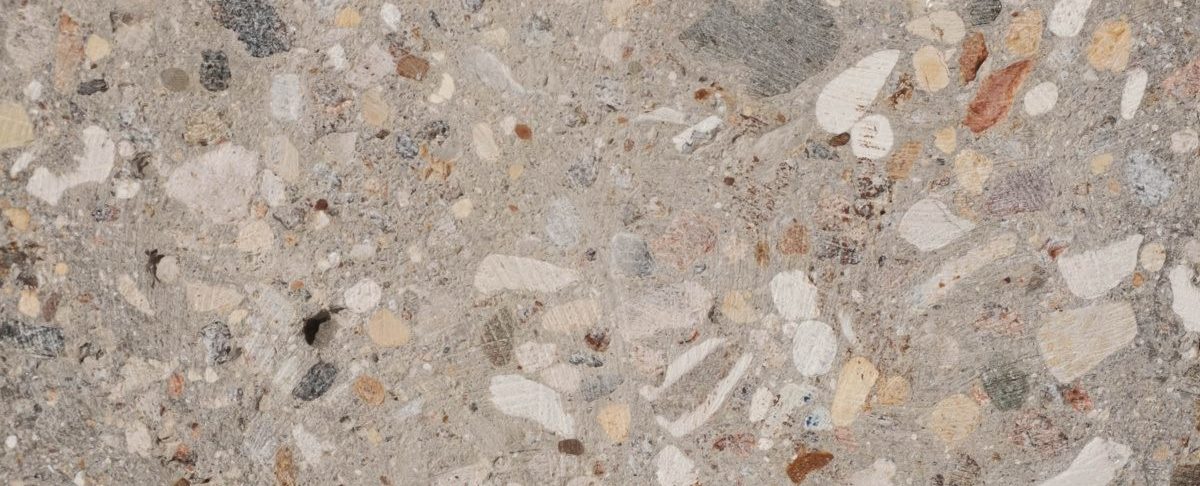
Refreshing an outdoor patio often starts with choosing a surface that balances appearance, durability, and long-term upkeep. For homeowners looking beyond standard broom-finished concrete, exposed aggregate concrete is a popular decorative option that adds texture and visual interest without sacrificing strength.
This type of patio finish is often considered during renovation projects where curb appeal, slip resistance, and longevity matter just as much as cost. Before selecting a decorative surface, it helps to understand how this material performs in real-world conditions, especially in Minnesota’s changing seasons.
What Is Exposed Aggregate Concrete?
Exposed aggregate is a decorative concrete finish created by removing the top layer of cement paste to reveal the natural stone beneath the surface. Instead of a smooth, uniform appearance, this process highlights the natural texture and color of the aggregate mixed into the concrete, creating a surface with visual depth and character.
How the Aggregate Is Revealed
During concrete installation, surface retarders or washing techniques are used to expose the aggregate once the concrete begins to set. The result is a textured surface that highlights the stone mix rather than a smooth cement finish.
Common Aggregate Materials
This finish is commonly used for concrete walkways and outdoor living areas because it blends durability with design appeal. Concrete with exposed aggregate typically includes natural stones such as:
- Pea gravel
- Crushed granite
- Quartz or river rock
The size, color, and blend of these stones influence the final appearance and texture of the patio. This process creates a visually distinct surface that differs significantly from standard concrete finishes.
Why Homeowners Choose Exposed Aggregate for Patios
Many homeowners exploring why concrete is best for patios ultimately choose exposed aggregate because it combines aesthetics with functional benefits. Unlike standard concrete surfaces, exposed aggregate provides visual texture and surface grip at the same time, making it a practical option for outdoor spaces that see frequent use. For patios used for entertaining, dining, or everyday relaxation, this balance of appearance and performance plays an important role in long-term satisfaction.
Enhanced Traction and Safety
The textured surface provides better slip resistance than smooth concrete, making it a practical option around pools, steps, and outdoor seating areas where moisture is common.
Visual Depth and Design Flexibility
An exposed aggregate concrete patio offers a natural, high-end look that works well with landscaping, stone features, and modern or traditional home styles. Aggregate blends can be customized to complement the home’s exterior.
Long-Term Durability
Like in a regular concrete patio, this finish is structurally strong and designed to handle heavy use. When installed and sealed properly, it performs well under foot traffic and outdoor furniture loads.
These advantages make exposed aggregate appealing for homeowners prioritizing both form and function. When installed correctly, this finish offers a long-lasting surface that supports both visual appeal and practical outdoor living needs.
Three Potential Drawbacks to Consider Before Choosing Exposed Aggregate
While attractive, this finish is not ideal for every patio project. Exposed aggregate involves specific installation steps, material choices, and maintenance requirements that may not align with every homeowner’s priorities or budget. Understanding these considerations early helps avoid surprises after installation and ensures the final surface matches how the patio will be used.
1. Higher Initial Cost
Decorative finishes generally cost more than basic concrete due to additional materials, labor, and finishing steps. Homeowners often compare upgrades to the baseline cost of a 20×20 concrete patio to assess their overall investment. Balancing upfront costs with long-term durability, aesthetics, and resale value helps assess the financial sense of the upgrade.
2. Maintenance Expectations
To preserve appearance and durability, exposed aggregate surfaces typically require periodic sealing. Without proper maintenance, the surface may become more prone to wear or discoloration over time.
3. Comfort Underfoot
The textured surface can feel rougher than smooth concrete, which may be noticeable for barefoot use. This is an important consideration for families who frequently use patios for lounging or play.
Understanding these limitations helps set realistic expectations before committing to this finish. More importantly, taking the time to evaluate both benefits and limitations allows homeowners to make a more informed decision rather than choosing a finish based on appearance alone.
How Exposed Aggregate Performs in Minnesota Weather
Climate plays a significant role in how decorative concrete surfaces age. Temperature swings, moisture exposure, and freeze–thaw cycles all affect long-term durability. Fresh concrete can lose over 50% of its potential strength if it freezes before reaching approximately 500 psi. This highlights the critical impact of climate conditions during installation and curing on long-term performance.
- Freeze-thaw resistance: When properly installed with appropriate base preparation and drainage, exposed aggregate concrete performs well in freeze–thaw environments. The key is preventing water from penetrating and freezing within the surface.
- Importance of sealing: Sealing helps protect the aggregate and cement paste from moisture intrusion, salt exposure, and surface wear. In Minnesota, regular sealing is essential for maintaining both appearance and longevity.
- Long-term wear: With proper care, this finish can maintain its texture and color for many years. Neglecting maintenance, however, may accelerate surface deterioration.
Performance in local weather conditions should always factor into material selection decisions.
Is Exposed Aggregate Concrete Right for Your Patio Refresh?
Choosing a patio surface depends on how the space will be used and maintained. This finish works well for homeowners who:
- Want a decorative surface with added traction
- Prefer a natural, stone-forward appearance
- Are comfortable with periodic sealing and maintenance
It may be less suitable for those seeking the lowest upfront cost or a smooth, barefoot-friendly surface. Understanding these trade-offs helps ensure the material aligns with long-term expectations.
Why Work With Richfield Concrete for Decorative Patio Projects
Selecting the right concrete patio finish requires more than choosing a style. Proper installation, base preparation, and sealing all affect how a patio performs over time. Richfield Concrete helps homeowners evaluate whether exposed aggregate concrete is the right fit for their patio refresh. Our team considers drainage, usage patterns, maintenance expectations, and Minnesota weather conditions to ensure the finished surface delivers both visual appeal and durability.
Working with concrete patio specialists in the Twin Cities helps ensure your patio investment performs as intended for years to come.
Make an Informed Patio Decision With Confidence
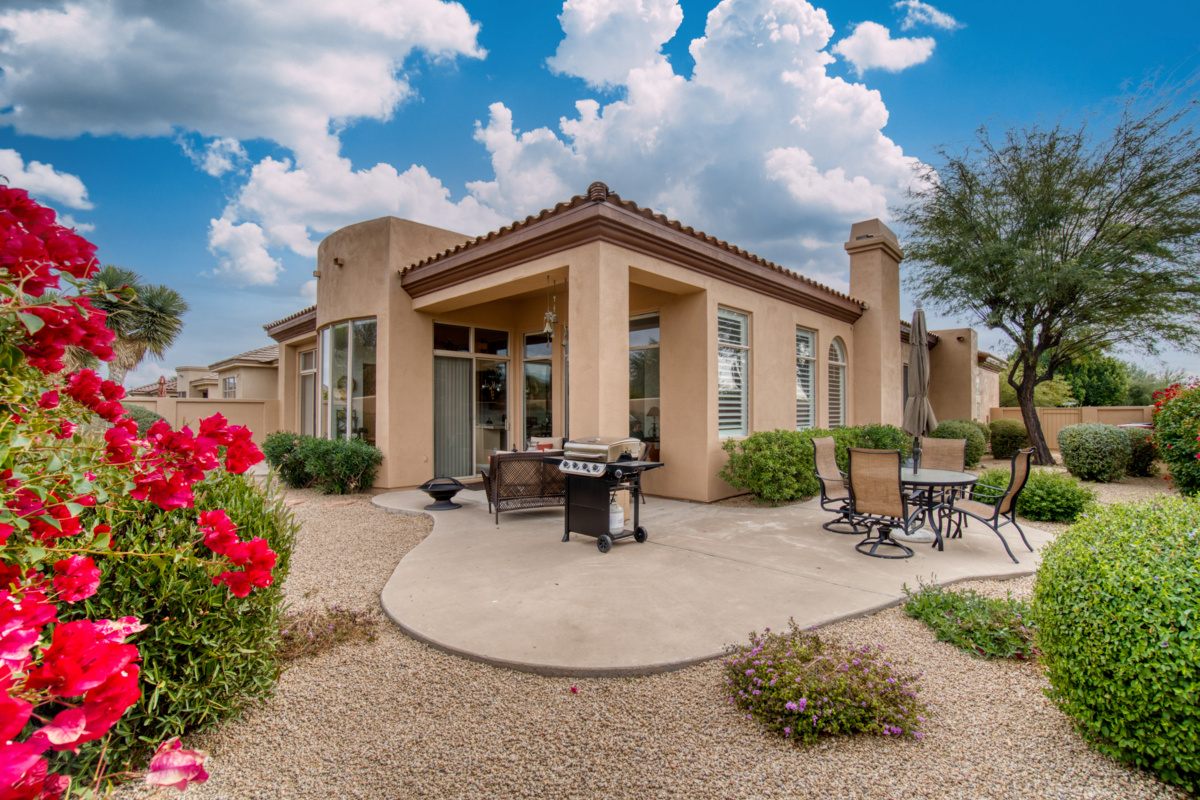
A patio refresh is an opportunity to enhance both outdoor enjoyment and property value. Understanding the benefits and limitations of exposed aggregate concrete allows homeowners to make informed decisions that align with their lifestyle and maintenance preferences. If you are considering a decorative patio upgrade, Richfield Concrete can help you explore material options, understand performance expectations, and plan a solution built for Minnesota conditions. Contact Richfield Concrete to discuss your patio goals and determine the best path forward.