



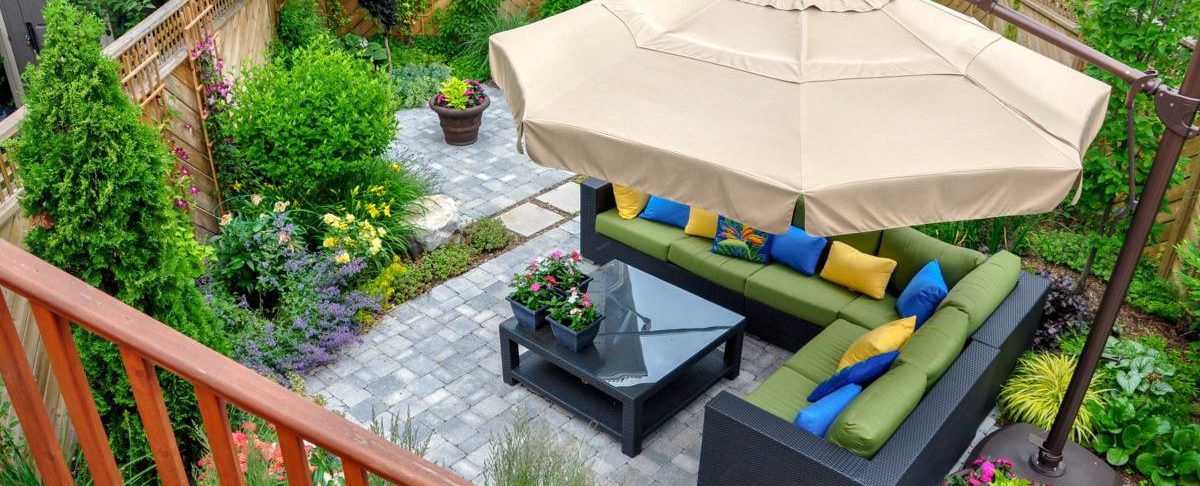
A patio is one of the most used spaces in any Minnesota home, especially during the months when outdoor living is at its best. When homeowners start comparing pavers vs. concrete patio, the decision often comes down to more than appearance. Durability, maintenance, and long-term value all play a major role in choosing the right surface.
At Richfield Concrete, we help homeowners across the Twin Cities make this decision every day. The right patio material should match how the space will be used, how much maintenance you are comfortable with, and how well it will hold up through Minnesota’s freeze-thaw cycles.
The Core Differences Between Pavers and Concrete
Before choosing a patio material, it helps to understand how each option performs under real-world conditions.
What Is a Paver Patio?
Paver patios are built using individual units, typically made from concrete, brick, or natural stone. These pieces are laid over a compacted base and fitted together to form the patio surface.
Because each unit is separate, paver systems allow for flexibility. If movement occurs beneath the surface, the system can adjust without major structural damage.
What Is a Concrete Patio?
Concrete patios are poured as a single slab. This creates a smooth, continuous surface that can be finished in different ways, including broom finish, stamped patterns, or exposed aggregate.
A properly installed concrete patio relies heavily on base preparation, reinforcement, and curing. When done correctly, it creates a strong and stable outdoor surface.
Pavers vs. Concrete Patio in Minnesota: Key Performance Factors
Minnesota weather plays a major role in how patio materials perform over time. Understanding these factors helps homeowners make a more informed decision.
1. Freeze-Thaw Resistance
Minnesota experiences repeated freeze-thaw cycles, which can put stress on any hard surface.
- Pavers can shift slightly with ground movement, which helps reduce cracking
- Concrete slabs are more rigid, so cracks can develop if the base is not properly prepared
Our experience shows that long-term performance depends less on the material itself and more on how well the installation is handled.
2. Drainage and Water Management
Water is one of the biggest threats to patio longevity.
- Paver systems allow water to drain through joints or along the surface
- Concrete patios require proper slope and drainage planning to prevent pooling
Without proper drainage, both systems can experience issues, especially during snowmelt.
3. Durability and Lifespan
Both materials can last for decades when installed correctly.
- Pavers offer easier repairs since individual pieces can be replaced
- Concrete provides a solid surface with fewer joints, which many homeowners prefer
In Minnesota, durability often comes down to base compaction and soil conditions rather than just material selection.
Cost Considerations and Long-Term Value
Cost is often one of the first factors homeowners evaluate when choosing a patio material. However, the real decision should account for both upfront investment and how the patio performs over time in Minnesota conditions.
1. Upfront Installation Cost
The initial cost of a patio varies based on material, labor, and site conditions. In most cases, concrete patios come in at a lower price point because they require fewer materials and less installation time.
Paver patios typically involve more labor, including base preparation, precise placement, and joint finishing. While the upfront cost is higher, this added effort contributes to the system’s flexibility and long-term serviceability.
2. Maintenance and Repair Costs
Ongoing maintenance plays a key role in the total cost of ownership. Homeowners should consider how each material will perform several years after installation, especially in a climate with freeze-thaw cycles.
- Pavers may need occasional leveling or joint sand replacement
- Concrete may require crack repair or resurfacing over time
We often remind homeowners that long-term value should be part of the decision. A lower upfront cost does not always mean lower lifetime cost.
3. Long-Term Value Perspective
Looking beyond the initial price helps homeowners make a more informed decision. A patio that performs well over decades often provides better overall value than one that requires frequent repairs or early replacement.
We advise homeowners to weigh both installation quality and expected lifespan when comparing options. A well-built patio, whether pavers or concrete, should deliver consistent performance and minimize long-term costs.
Design Flexibility and Curb Appeal
A patio is not only a functional space but also a visual extension of your home. The material you choose should complement your property while supporting how you plan to use the space.
Paver Design Options
Pavers offer a high level of customization, making them a popular choice for homeowners who want a more tailored look. With a wide range of shapes, colors, and laying patterns available, paver patios can be designed to match both traditional and modern homes.
This flexibility also allows for creative layouts, such as borders, inlays, or multi-tone designs. As a result, pavers are often chosen for projects where appearance and customization are a top priority.
Concrete Finishes
Concrete patios have expanded well beyond basic finishes and now offer several decorative options. Options include:
- Stamped concrete for decorative patterns
- Exposed aggregate for added texture
- Colored concrete for a more customized look
These concrete patio finishes allow homeowners to achieve a clean and cohesive look without the need for multiple materials. When installed with attention to detail, concrete can provide both durability and visual appeal.
Which Patio Option Is Right for Your Home?
Choosing between pavers and concrete depends on how you plan to use your outdoor space.
Choose Pavers If You Want:
- Flexible surfaces that handle movement well
- Custom patterns and design variety
- Easier spot repairs over time
Choose Concrete If You Want:
- A clean, uniform surface
- Lower upfront cost
- A strong, durable slab when installed correctly
When evaluating a paver vs. concrete patio, we guide homeowners to focus on installation quality, drainage planning, and long-term expectations. These factors have a greater impact than the material alone.
Expert Insight: Why Installation Matters More Than Material
We have seen both paver patios and concrete patios perform exceptionally well, and we have also seen both fail prematurely. The difference almost always comes down to installation.
- Proper base preparation
- Correct grading and drainage
- Quality materials and workmanship
- Adequate curing and finishing
Choosing the right patio involves balancing appearance and long-term performance. Homeowners should consider the intended use, connection to the home, and customization needs. When you’re ready to start a new concrete patio, focus on proper installation from the beginning to ensure it performs well for many years.
Make the Right Patio Investment for Your Minnesota Home

Choosing between a paver vs. a concrete patio comes down to understanding how each option performs in Minnesota conditions and how it fits your goals. Both materials can deliver long-lasting results when installed with attention to detail, proper drainage, and strong base preparation. At Richfield Concrete, we help homeowners across the Twin Cities plan and install patios that are built to last. From proper site preparation to final finishing, our team focuses on long-term performance and quality workmanship. If you are ready to move forward with your patio or driveway project, contact Richfield Concrete today and experience the Richfield experience.