



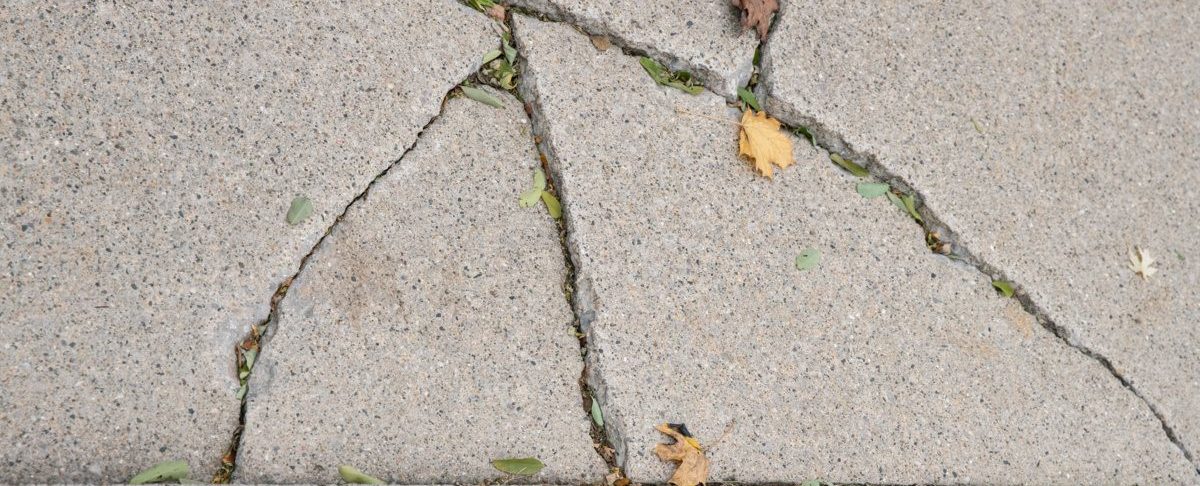
As winter fades and temperatures begin to rise, many homeowners notice small cracks becoming more visible across driveways, garage floors, and walkways. Deciding when to repair concrete cracks is not just about appearance. Timing plays a major role in how quickly damage spreads and how expensive repairs become later in the season.
In Minnesota, spring is a critical window for addressing concrete issues. Moisture from snowmelt, followed by summer heat and heavier use, places added stress on already weakened surfaces. Acting early can prevent minor issues from turning into major repair projects.
Reason 1: Heat Causes Existing Cracks to Expand
As temperatures rise, concrete expands, adding stress to existing cracks. As a benchmark, the Federal Highway Administration reports that Portland cement concrete typically has a coefficient of thermal expansion ranging from about 8 to 12 microstrains/°C, meaning routine summer heat can cause measurable movement that stresses and widens existing cracks. What appears minor in early spring can widen significantly once consistent summer heat sets in, accelerating surface deterioration if left untreated.
Thermal Expansion and Crack Growth
When concrete warms, existing fractures open further, allowing more moisture and debris to enter. This expansion weakens surrounding areas and accelerates surface breakdown.
Addressing cracks before sustained heat arrives helps limit how far damage can spread during the summer months.
Reason 2: Moisture Intrusion Accelerates Summer Damage
Moisture is one of the most destructive forces affecting cracked concrete surfaces. Spring snowmelt and early rainfall create ideal conditions for water to seep into cracks, weakening the concrete from within before summer heat intensifies the damage.
Snowmelt and Early Rainfall
Water from melting snow and seasonal rain seeps into cracks and joints. Once trapped, it weakens the concrete and creates internal stress as temperatures fluctuate.
It is advisable to repair cracks early, as it helps block moisture intrusion and reduces the risk of further deterioration as summer storms become more frequent.
Reason 3: Small Cracks Can Lead to Larger Structural Issues
Not all cracks remain surface-level problems. When left unrepaired, even small cracks can allow moisture to reach the base beneath the slab, increasing the risk of settlement, uneven surfaces, and long-term structural issues.
When Surface Damage Becomes Structural
Over time, small fractures can allow water to reach the base beneath the slab. This can lead to settling, uneven surfaces, and the need for more extensive repair of concrete driveway work later.
Early intervention helps prevent minor surface issues from developing into structural concerns that require larger repairs.
Reason 4: Delaying Repairs Increases Scope and Cost
Concrete damage tends to escalate when repairs are postponed. Cracks that could be addressed early often grow wider, spread further, and require more extensive repairs once summer wear and weather take hold.
Why Summer Repairs Cost More
As cracks grow and surfaces deteriorate, repairs become more labor-intensive. What could have been a simple crack repair may turn into resurfacing or partial replacement once damage spreads.
Choosing to repair concrete cracks earlier in the season often reduces overall project scope and keeps costs more predictable.
Reason 5: Early Maintenance Extends the Life of Concrete
Concrete surfaces last longest when maintenance issues are addressed early rather than reactively. Timely crack repairs help preserve structural integrity and reduce the cumulative effects of seasonal stress, traffic, and moisture exposure.
Long-Term Benefits of Timely Repairs
Routine concrete maintenance, including early crack repair, helps preserve strength and appearance. This is especially important for high-use areas like garage floors and driveways that experience constant traffic.
Addressing issues promptly helps concrete surfaces perform better and last longer through seasonal cycles.
Is It Normal to See Cracks in New Concrete?
Homeowners are often surprised to notice new concrete cracking within the first year. Seeing cracks in recently installed concrete often causes concern, especially when the surface is only a few months old. While some cracking is normal as concrete cures and shrinks, not all cracks should be dismissed without evaluation.
Understanding Early Cracking
Minor hairline cracks typically form during the curing process and may not affect performance. However, certain conditions warrant closer attention, including:
- Cracks that continue to widen over time.
- Cracks that allow water to collect or penetrate.
- Cracks appearing alongside uneven settling.
Monitoring early cracks and addressing those that worsen helps prevent avoidable damage later. Moreover, understanding the difference between normal curing cracks and early signs of failure helps homeowners decide when monitoring is sufficient and when repairs should be scheduled.
Not sure if a crack needs immediate repair? Some cracks can be monitored, while others should be addressed quickly. Richfield Concrete helps homeowners understand which cracks pose long-term risks and which repairs can wait.
Garage Floors and Driveways Need Timely Attention
Garage floors and driveways experience more stress than most other concrete surfaces around the home. Vehicle weight, extreme temperature shifts, and constant moisture exposure accelerate wear, making it essential to follow proactive steps to protect your concrete garage floor before minor issues become structural failures. Ignoring early damage increases the likelihood of larger repair projects during peak summer months.
These surfaces are particularly vulnerable because they are exposed to:
- Freeze-thaw cycles and snowmelt.
- Deicing salts and automotive fluids.
- Repeated heavy loads from vehicles.
Addressing cracks early in these high-use areas helps maintain safety, prevent surface breakdown, and avoid more extensive repair projects later in the season.
Why Choose Richfield Concrete for Crack Repair and Maintenance
Effective crack repair requires more than filling visible gaps. As a premier Minneapolis concrete driveway contractor, we know that long-lasting results depend on understanding why cracks formed, how moisture and temperature affect the surface, and which repair methods are appropriate for Minnesota conditions.
Richfield Concrete brings decades of experience evaluating and maintaining concrete surfaces throughout the Twin Cities. Our approach focuses:
- Clear evaluation of crack severity and underlying causes.
- Honest guidance on repair timing versus monitoring.
- Proven methods tailored to Minnesota weather conditions.
- Preventive maintenance strategies that reduce repeat damage.
Choosing the right contractor helps ensure crack repairs protect both the surface and the structure beneath it over time.
Take Action Before Summer Damage Spreads
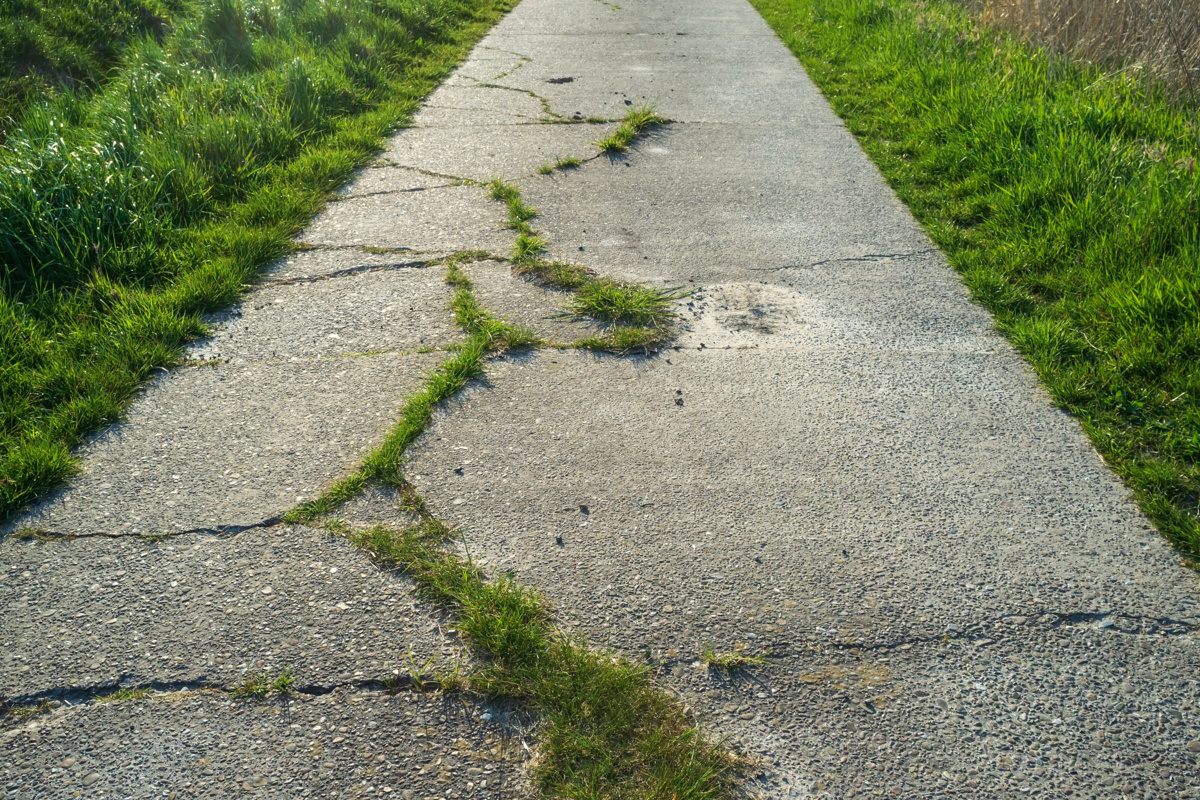
Small cracks rarely stay small once summer heat and moisture take hold. Knowing when to repair concrete cracks helps homeowners avoid more disruptive and expensive repairs later in the season.
If you’re seeing new or expanding cracks in your driveway, garage floor, or walkways, Richfield Concrete can help evaluate the condition and recommend the right next step. Contact Richfield Concrete today and plan preventive repairs that protect your concrete surfaces and your budget.
