


Recognizing the signs of poor-quality concrete is crucial for any homeowner. Cracked driveways, crumbling foundations, and uneven patios aren’t just aesthetic issues; they often indicate that the concrete is subpar and failing. Staying vigilant and identifying these warning signs early allows you to take proactive steps to tackle underlying problems before they escalate into extensive and expensive repairs, protecting your investment.
While spotting the signs is the first step, knowing how to address the root cause requires expertise. At Richfield Concrete, we provide reliable concrete solutions throughout the Minneapolis-St. Paul Metro Area. We have the experience to accurately diagnose the quality issues and implement the proper repairs or replacements with durable concrete that meets high standards, ensuring your vital home structures’ long-term integrity and longevity.
Common Visual and Structural Signs of Poor-Quality Concrete
Identifying early signs of poor-quality concrete can save significant costs and headaches. Here are some visual indicators of concrete quality issues to look for:
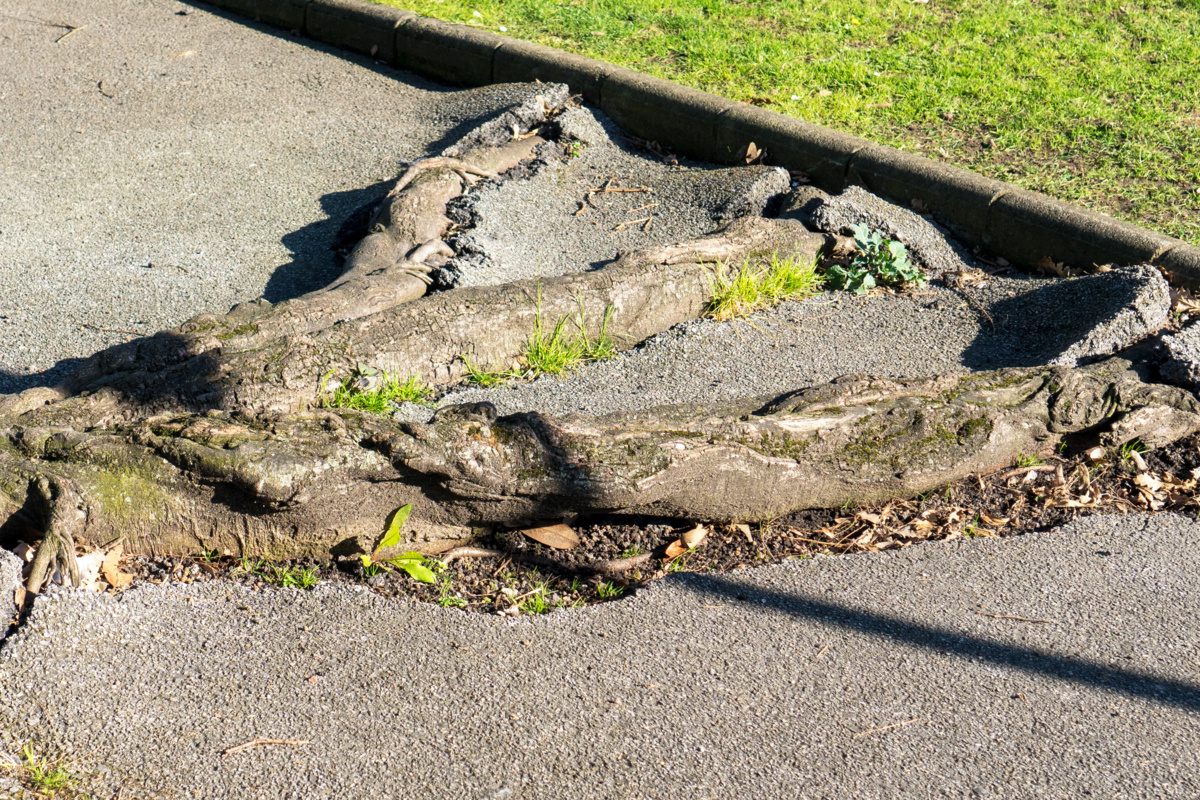
1. Surface cracking: Small hairline cracks might seem minor, but can expand and deepen over time, compromising the structure. In some cases, you may even notice weeds in driveway cracks, affecting the appearance and signaling that the cracks are large enough for roots and moisture to penetrate. Extensive cracking often indicates improper mixing or curing of the concrete.
2. Scaling and flaking: This refers to the peeling or flaking of the concrete surface. This is a common issue that shows why concrete cracks in winter. It’s commonly caused by freeze-thaw cycles or de-icing salts, which weaken the surface layer and lead to further deterioration.
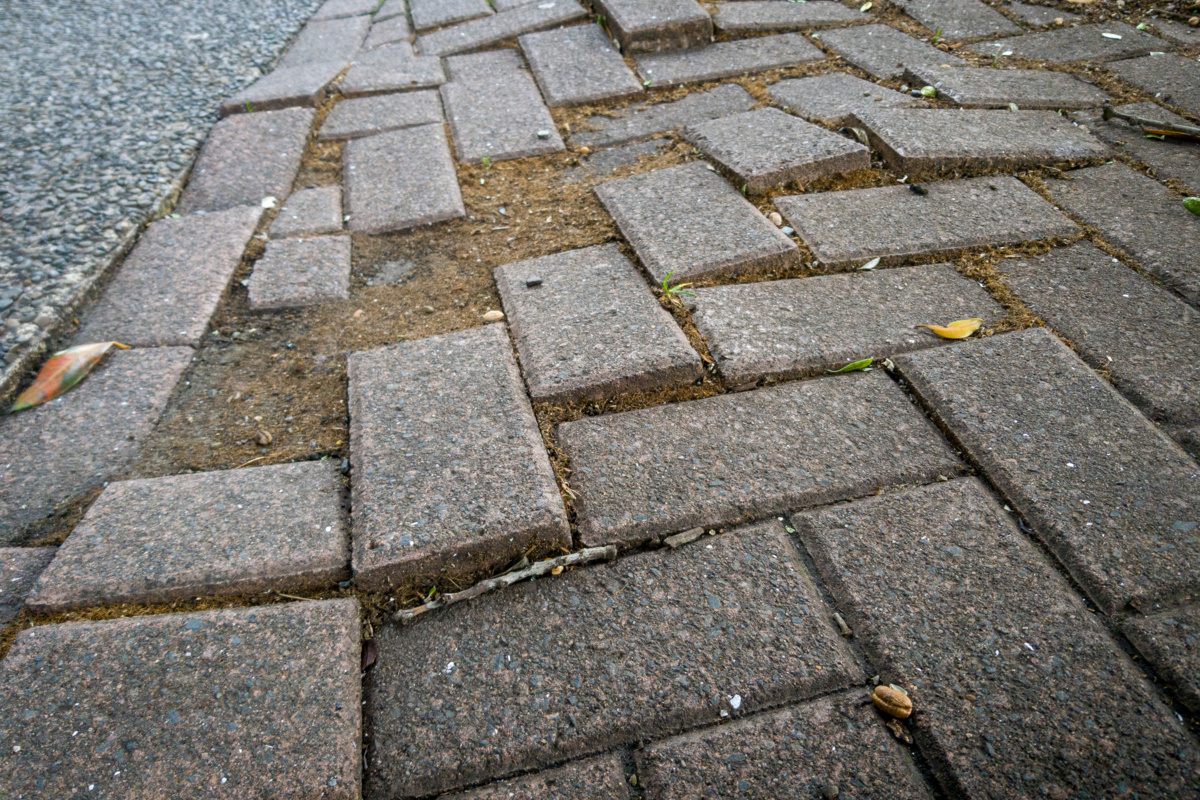
3. Uneven surfaces: Concrete should be smooth and level. Unevenness or sagging can indicate issues such as inadequate support underneath the slab or improper concrete pouring techniques. Regular maintenance and inspection can help detect these issues early on, allowing for timely repairs and preserving the integrity of the concrete.
4. Honeycombing: Appearing as voids or cavities on the surface, honeycombing results from inadequate compaction during placement. Problems like improper mixing or pouring techniques, or failing to fix concrete that is too wet during the pour, can contribute to these issues, compromising the concrete’s strength and durability.
5. Discoloration: Beyond being an aesthetic issue, discolored concrete can signal inconsistent mixing, curing, or chemical reactions. Such inconsistencies may indicate underlying structural vulnerabilities.
To address challenges with concrete integrity, it’s essential to understand the issues that can compromise its structural stability. By identifying and fixing these issues, we can create more durable concrete structures that stand the test of time while maintaining their intended functionality and appearance.
How Homeowners Can Test Concrete Quality
If you suspect your concrete might be subpar, several straightforward tests can help confirm its quality.
1. Scratch Test
Attempt to scratch the concrete’s surface using a screwdriver or a similar tool. High-quality concrete will resist scratches. If it scratches easily, it indicates inadequate hardness and poor-quality concrete.
2. Cure Time and Foot Traffic Water Absorption Test
Pour water onto the concrete surface and observe its behavior. Good-quality concrete should repel water initially or absorb it very slowly. Rapid water absorption suggests poor-quality concrete that could deteriorate quickly over time.
3. Visual Inspection of Aggregate
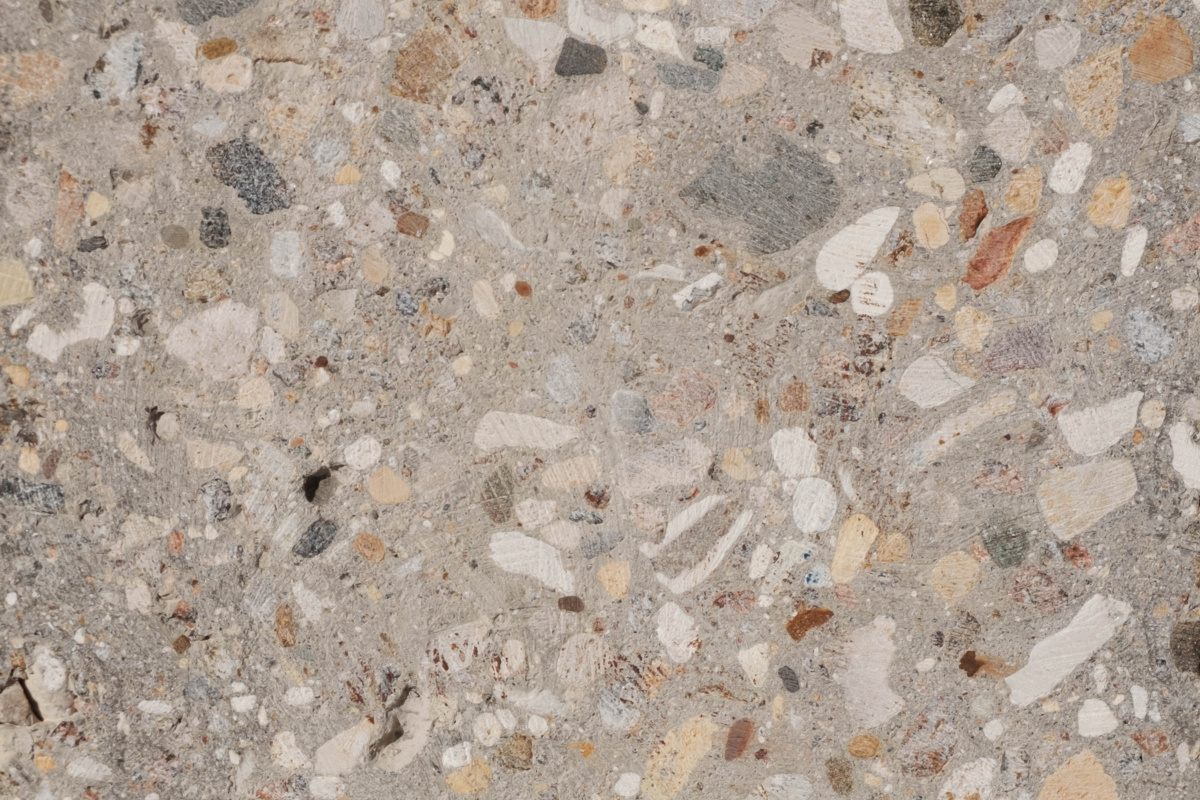
Look closely at the exposed aggregate in your concrete. Aggregates should be evenly distributed throughout the mix. Uneven or overly exposed aggregate indicates improper mixing and compromised structural integrity.
4. Rebound Hammer Test
This non-destructive test measures surface hardness, providing an estimate of concrete strength. While not definitive, it offers a quick assessment.
5. Moisture testing
Excessive moisture can weaken concrete. A moisture meter can help determine if moisture levels are within acceptable ranges.
It may be time to act if you spot several cracks, scaling, or honeycombing during a surface inspection. Our professional concrete evaluation services can help determine whether repairs or a complete replacement are necessary.
Three Steps to Take if You Discover Poor-Quality Concrete
If your tests confirm poor-quality concrete, it is essential to act quickly, especially for critical structures such as driveways, foundations, and patios.
1. Consult a professional
Once you confirm signs of poor-quality concrete, your initial step should be to contact professionals like Richfield Concrete. Our experienced team can assess the severity of the issue and recommend appropriate repairs or replacements.
2. Address structural risks immediately
Delaying repairs could result in severe structural issues and safety hazards for critical areas such as foundations or driveways. Timely intervention is crucial to prevent further deterioration and increased repair costs.
3. Proper repair or replacement
Depending on the severity of the damage, professional repair techniques, such as concrete resurfacing or complete replacement, may be necessary.
Richfield Concrete offers expert recommendations and services to help ensure your concrete structures regain their integrity and durability.
Trust Richfield for Reliable Concrete Solutions
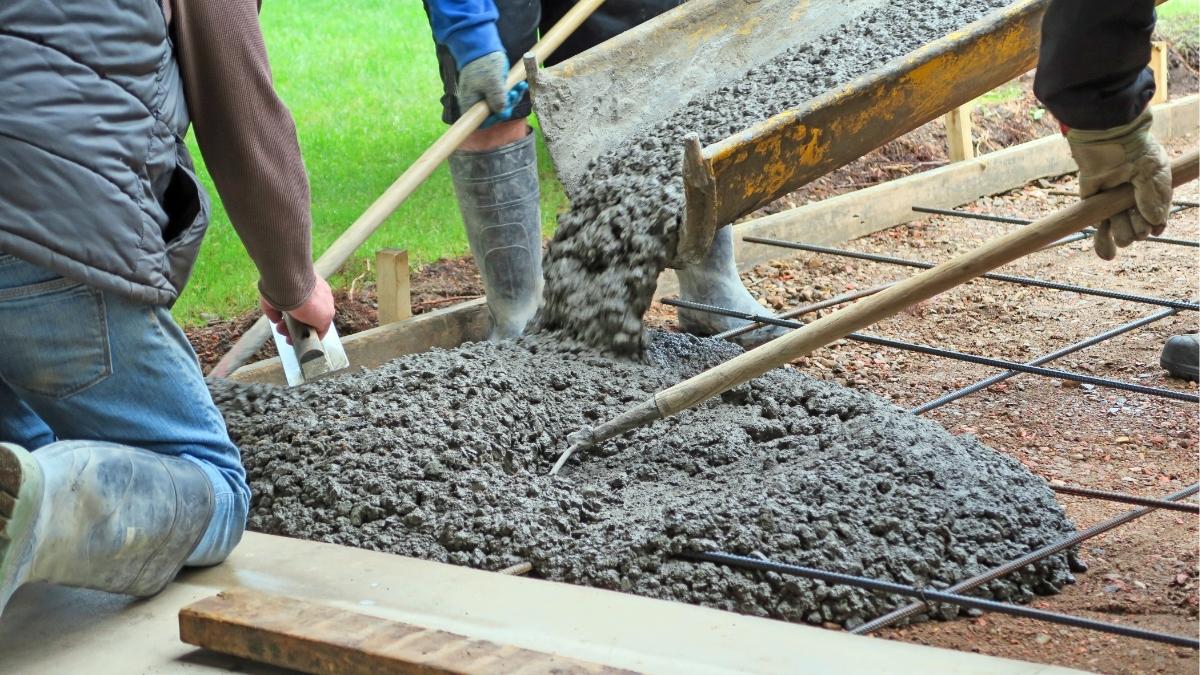
Identifying and addressing the warning signs of poor-quality concrete is essential for maintaining your property’s safety and appearance. At Richfield Concrete, we provide thorough inspections, expert recommendations, and professional concrete and paving services designed to restore and enhance your property. Don’t compromise your safety and investment; trust the experts. Contact Richfield Concrete today to assess your concrete quality and provide reliable solutions tailored to your needs.