


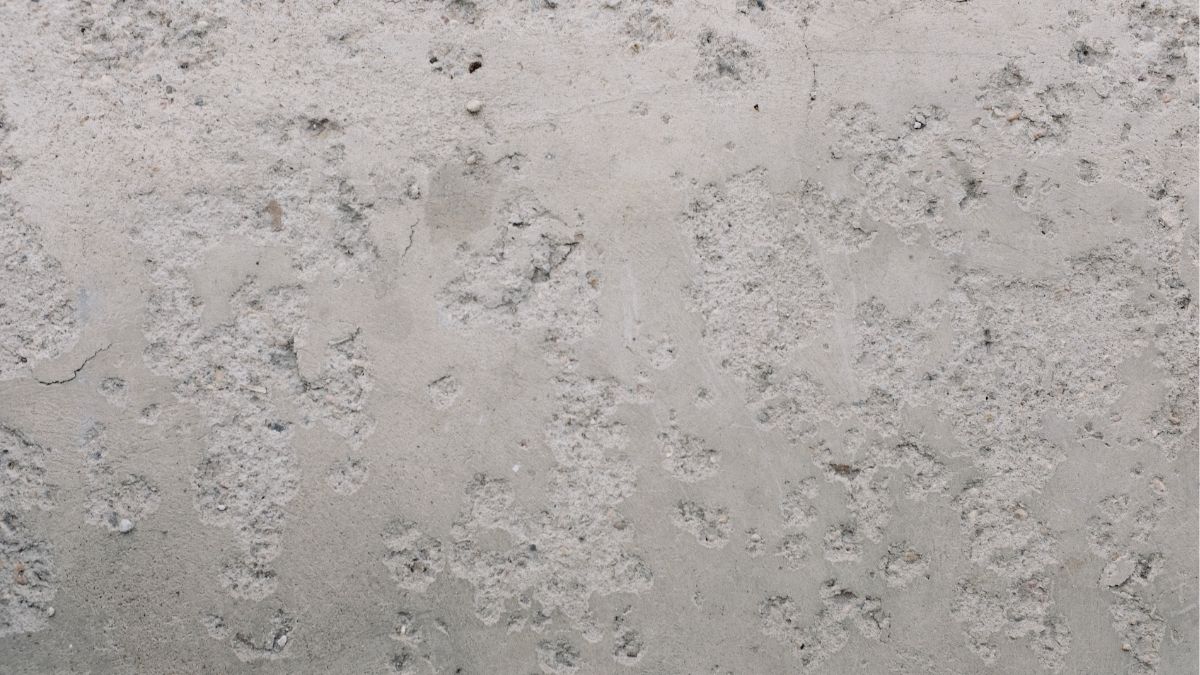
Concrete spalling, the unsightly chipping, flaking, and breaking apart of the surface, is a frequent concern for homeowners and property managers throughout Minneapolis. It’s more than just cosmetic; it’s a sign your concrete needs attention.
As a dedicated local provider, Richfield Concrete deeply understands the challenges of concrete chipping or breaking away. We’re here to share our expertise on its root causes, effective prevention strategies, and reliable treatment methods.
Understanding Concrete Spalling
Concrete spalling is the deterioration of the surface, characterized by chipping, flaking, or peeling away of small pieces. It is a common issue in many structures, particularly those exposed to harsh weather conditions or chemical substances. Several factors accelerate its onset, demonstrating that preventing this problem begins long before the pour, specifically when you prep your property for concrete driveway installation.
Environmental Factors
Concrete surfaces are constantly exposed to the elements, and certain environmental conditions, such as spalling, can significantly contribute to deterioration. Understanding these external pressures is key to preventing damage.
- Freeze-thaw cycles: In regions like Minnesota, where temperatures fluctuate around the freezing point, water absorbed by concrete can freeze and expand, generating internal pressure that results in spalling.
- Deicing salts: Deicing salts can worsen freeze-thaw damage by allowing more water to seep into the concrete, leading to increased spalling.
These environmental factors emphasize the need for a proper concrete mix, installation, and sealing to safeguard against nature’s relentless forces. This protective layer, however, is not permanent. When restoring its integrity, a critical first step for a successful epoxy floor resurfacing project is to meticulously clean the existing floor before applying the new coat to ensure a proper, long-lasting bond.
Material and Construction Factors
Beyond environmental exposure, the quality of the concrete itself and how it’s constructed play a critical role in its long-term durability. Flaws in materials or installation can create inherent weaknesses that lead to issues like spalling.
- Poor-quality concrete: A common cause is poorly mixed concrete or concrete that lacks sufficient strength. This issue frequently arises from failing to use the best type of concrete mix suited for the climate and application, making the surface vulnerable to chipping and flaking.
- Corrosion of reinforcement bars: Steel reinforcement can corrode due to moisture penetration, causing it to expand. This expansion creates internal pressure that cracks the concrete from within, resulting in visible spalling on the surface.
Ensuring high-quality materials and meticulous construction practices are fundamental to preventing spalling and ensuring the longevity of your concrete surfaces.
How to Prevent Concrete Spalling Before It Starts
Preventing concrete spalling means taking smart, proactive steps from the very beginning. Investing in prevention from the outset is the most effective way to protect your concrete surfaces, ensuring they maintain their integrity, appearance, and functionality for years to come.
1. Use of high-quality materials: Concrete is more resistant to spalling and lasts longer when made with high-quality cement and the right mix designs.
2. Proper installation techniques: Proper finishing, curing, and placement processes can lessen spalling during building.
3. Application of sealers: Concrete’s curing under penetrating waterproofing sealers will help to prevent moisture intrusion, a leading cause of spalling.
Focusing on these essential steps during the planning and installation phases lays the groundwork for concrete that actively resists the conditions leading to spalling. This is particularly vital when considering factors like how the freeze-thaw cycle affects your concrete driveway, underscoring why taking preventative measures early on will help keep your surfaces strong and beautiful for years to come.
Concrete Spalling Repair: Your Options Explained
When spalling occurs, timely intervention can prevent further deterioration. Ignoring the issue will only lead to more extensive damage and costly repairs. Fortunately, several options are available for repairing spalling.
1. Surface patching: Removing the damaged concrete and using premium repair mortars or overlays will help restore the surface’s appearance and functionality.
2. Corrosion treatment: Addressing the underlying cause, such as corroded reinforcement bars, is essential. Treating the steel to halt corrosion before applying repair materials ensures long-term effectiveness.
3. Resurfacing: Resurfacing the entire concrete area may be necessary in cases of extensive damage. This involves applying a new layer of concrete over the existing surface to restore its integrity.
Get Expert Help for Concrete Spalling Today
Concrete spalling is a significant concern for property owners, but it can be effectively managed with proper understanding and proactive measures. At Richfield Concrete, we specialize in addressing such issues, offering top-quality concrete paving services tailored to withstand Minnesota’s unique climate challenges. If you’re experiencing signs of concrete spalling or wish to prevent it, contact Richfield Concrete today and discover how we can assist you in maintaining durable and aesthetically pleasing concrete surfaces.