


You’ve invested in a sleek, durable garage floor epoxy, but now you’re noticing it beginning to peel or chip. Garage floor epoxy can drastically enhance your garage’s appearance and protect the concrete underneath, but only if applied and maintained correctly.
At Richfield Concrete, we’ve seen how the wrong prep or poor application can lead to frustration and costly repairs. Understanding what causes peeling and how to prevent it is the first step in planning a new coating or protecting an existing epoxy floor.
What Causes Garage Floor Epoxy to Peel
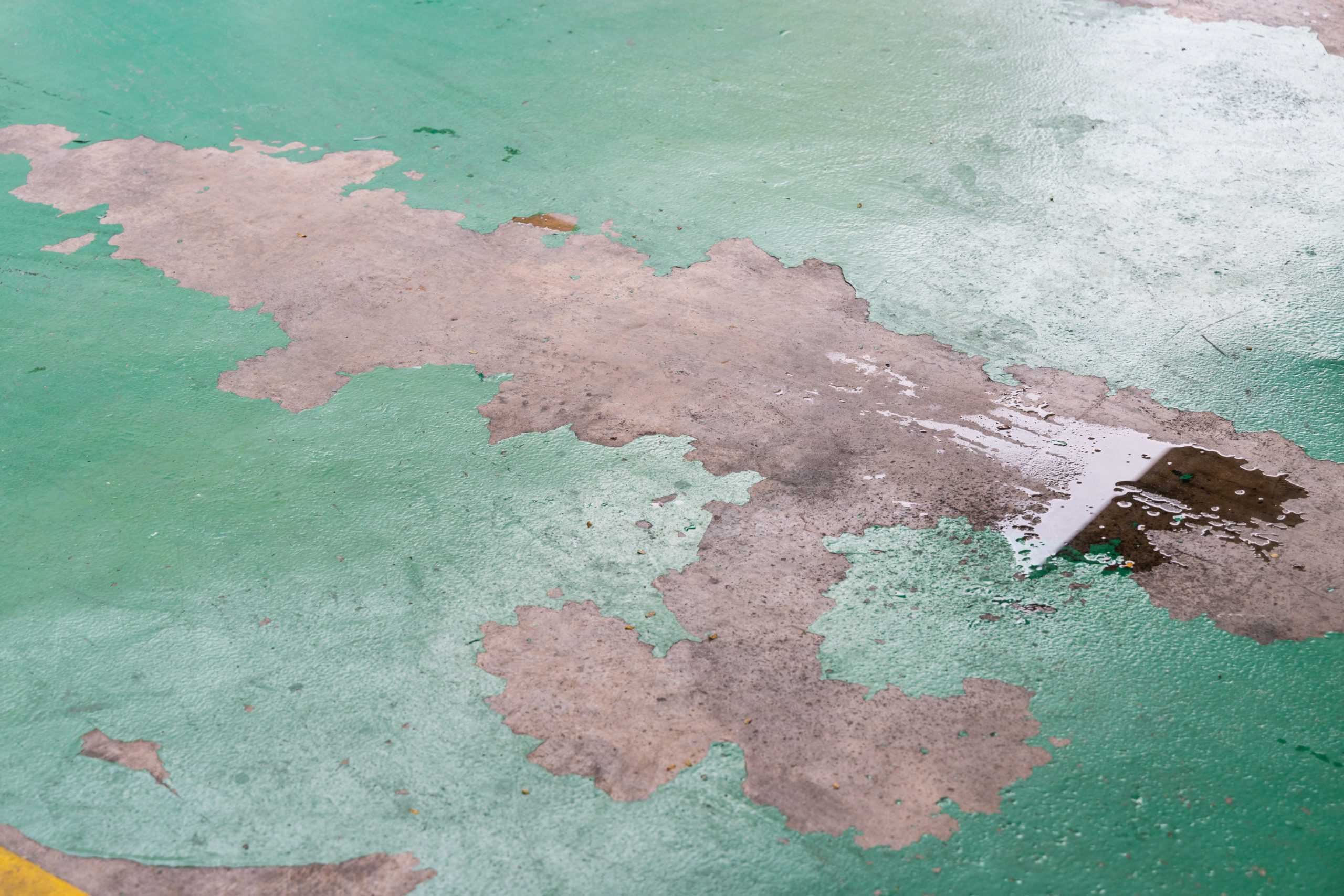
Garage floor epoxy peeling is often due to improper application, environmental factors, or poor maintenance. Understanding these three causes helps in prevention, as keeping your epoxy floor in good condition is key to ensuring your concrete garage floor can increase your property value. This risk of peeling is a critical factor to consider when evaluating polished concrete vs epoxy garage floor options, as polished concrete does not have the same risk of peeling.
Poor surface preparation
The primary reason epoxy floors peel is poor surface preparation. Any leftover dust or residue creates weak spots that can lead to peeling over time. To prevent this, we start with a thorough mechanical grind or acid etch to open the concrete pores, followed by a complete cleaning and drying process.
Moisture problems
Trapped moisture beneath the epoxy can cause peeling and bubbling. This often happens if the concrete wasn’t dried or sealed properly before applying the epoxy. To prevent these issues, we first conduct a concrete moisture test. If we find moisture, we install a vapor barrier to ensure a strong bond. This extra step helps avoid peeling and bubbling later on.
Incorrect epoxy application
Applying epoxy too thin or mixing the components improperly can lead to peeling. When the mixing ratios aren’t correct or curing times are too short, the bond becomes weak, which can damage your garage floor. We use high-quality, 100% solids epoxy designed for durability, ensuring your garage floor can handle daily wear and tear.
Preventing garage floor epoxy from peeling requires meticulous attention to detail during preparation and application. Avoiding these common pitfalls ensures your concrete garage floor remains durable, attractive, and valuable for years. A key part of this is identifying and dealing with any pre-existing concrete quality issues that might compromise the epoxy bond to the slab.
Ideal Conditions for Applying Garage Floor Epoxy
Applying garage floor epoxy under the right conditions significantly reduces the risk of peeling.
Why Temperature and Humidity Matter
The best temperature for applying garage floor epoxy is between 60°F and 85°F. Cold temperatures can thicken the epoxy, while excessive heat can cause it to cure too fast, jeopardizing adhesion. Also, keep humidity below 75% to prevent moisture issues affecting the bond. Before we begin any project, we check the temperature and humidity. We’ll reschedule if it’s too cold or humid to ensure the coating sticks and lasts. This way, we protect the quality of our work and avoid any issues down the line.
Ensuring Proper Ventilation
Good ventilation during application ensures the epoxy cures uniformly. Proper airflow helps maintain consistent conditions and prevents uneven drying, contributing to peeling. We closely monitor the workspace, making adjustments to facilitate optimal air movement. Additionally, we utilize fans or open windows to create steady circulation, further enhancing the curing process.
Cure Time and Foot Traffic
Epoxy takes time to cure properly. You could damage or peel it if you walk or drive on it too soon. That’s why we provide clear guidelines on cure time and recommend at least 72 hours before heavy use. If you allow sufficient drying time for the epoxy, the finish will last a long time and hold up to everyday use.
Three Maintenance Tips to Prevent Epoxy Peeling
Long-term durability doesn’t just come from application; it also depends on proper maintenance.
1. Regular cleaning: Implementing a few simple garage floor maintenance tips is essential for preserving your epoxy coating’s appearance and durability. Regularly sweep or vacuum to remove dirt and grit to avoid scratches. Mop occasionally with a mild cleaner to keep it clean. Consider adding a new clear coat every 5–7 years for better protection and longevity.
2. Clean spills quickly: Although epoxy is chemical resistant, long-term exposure to motor oil, brake fluid, or road salt can weaken the bond or stain the surface. To prevent long-term damage and peeling, clean any spills with a neutral-pH cleaner. Avoid harsh acids or abrasive tools.
3. Protective measures: Dragging toolboxes or metal shelves across the floor can scratch or gouge the surface, creating areas where moisture can eventually seep. Even the best concrete garage floors for heavy equipment would be much better without direct friction and pressure. Using mats or pads can help prevent this friction. It will also extend the life of your floor.
Implementing these simple yet effective maintenance practices is key to preventing epoxy peeling and maximizing the longevity of your garage floor coating, protecting your investment.
Call Richfield Concrete For Lasting Garage Floors
Before the significant expense and disruption required to replace your garage floor becomes necessary, maintaining and protecting your existing concrete surface and its coating is vital. Preventing garage floor epoxy from peeling starts with the right contractor. At Richfield Concrete, we specialize in professional-grade epoxy systems built to perform in Minnesota’s variable climate. From surface preparation to environmental monitoring and maintenance guidance, our team handles each step precisely to ensure your floor lasts. Don’t risk your investment. Let professionals handle your garage flooring needs. Contact Richfield Concrete today to schedule your epoxy floor consultation.