


No homeowner wants to invest in concrete work only to see it fail within a few months. Unfortunately, it happens more often than people expect. When a bad concrete pouring job goes unnoticed, it can quickly lead to cracks, sinking, uneven surfaces, or worse. Knowing the warning signs can save you time, money, and stress.
At Richfield Concrete, we’ve repaired and replaced many poorly poured driveways, walkways, and slabs across Minneapolis. If you’re planning a new concrete project or questioning the quality of a recent pour, here’s what to watch for—and how to ensure your next job is done right.
Why Bad Concrete Pouring Happens
Concrete is a durable and long-lasting material, but only when installed properly. Most concrete quality issues stem from shortcuts during the mixing, pouring, or curing process.
Common Causes of Poor Concrete Work
Understanding the root causes of subpar concrete is essential for homeowners and contractors. Many common problems, from cracking to unevenness, can be traced back to specific installation errors.
1. Improper water-to-cement ratio
2. Inadequate base preparation or compaction
3. Pouring during extreme weather
4. Lack of control joints or incorrect placement
5. Poor finishing or rushed curing
Each of these mistakes can result in severe structural and cosmetic problems. That’s why working with experienced Minneapolis concrete contractors who follow best practices from start to finish is essential.
Visible Signs of Bad Concrete Pouring
It’s not always easy to detect a poor pour right away. Some signs appear shortly after installation, while others may develop over time as the concrete settles.
Cracking Within Weeks
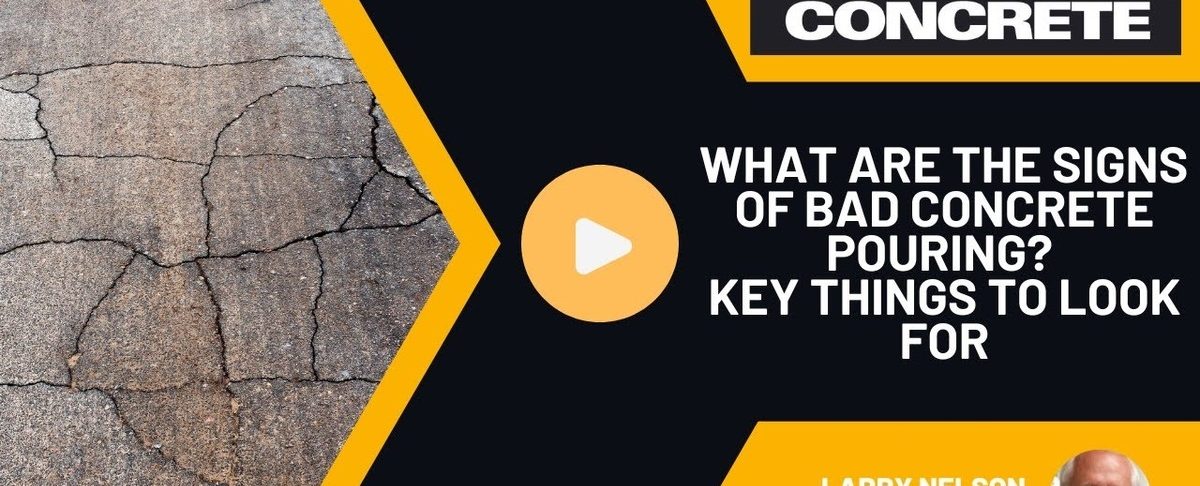
Hairline cracks that appear within a few days or weeks are often a red flag. While some surface cracking is normal as concrete cures, widespread or deep cracks may indicate that the mix was too wet, the base wasn’t compacted properly, or the slab wasn’t cured correctly. The NRMCA guidance states that contraction joints should be spaced appropriately. For instance, a 4-inch slab is typically jointed every 10 feet, with a maximum spacing of 15 feet. Additionally, conventional saw-cut joints should be made within 4 to 12 hours after finishing the slab to minimize uncontrolled cracking.
Uneven or Sunken Areas
If the concrete appears uneven, sloped incorrectly, or begins to sink, it’s a sign that the ground beneath wasn’t adequately prepared or supported. This problem often occurs in driveways and sidewalks, where the subbase should be strong enough to handle load-bearing traffic.
Flaking or Surface Scaling
Surface defects like concrete spalling (flaking or peeling) can occur when the concrete is finished too soon or exposed to freeze-thaw cycles before curing. This weakens the top layer and affects both durability and appearance.
Discoloration and Surface Inconsistencies
Uneven coloration or patchy areas are forms of concrete discoloration that often signal a lack of quality control. These visual flaws typically indicate inconsistent mixing, overworked finishing, or water added after the pour. While they don’t always impact strength, they highlight improper installation practices.
Structural Red Flags to Watch For
Beyond the surface, structural issues may also reveal a bad concrete job. These are usually more serious and may require replacement.
Separation at Control Joints
Expansion joints are placed to help control cracking, but if they weren’t installed correctly or appropriately spaced, the concrete may begin to break apart at the seams.
Water Pooling
Flat surfaces should have a slight slope to allow for drainage if water collects in low spots or near the foundation, likely due to poor grading or incorrect finishing.
Unusual Softness or Dusting
If the concrete surface becomes dusty, chalky, or easily scratched, it may not have cured properly, weakening the slab’s overall strength.
What to Do if You Suspect a Bad Pour
Spotting the warning signs of bad concrete pouring early can help limit concrete cracks and damage. If you’re unsure about the quality of your concrete, it’s best to have a professional inspection to determine whether repair or replacement is necessary.
When to Call a Concrete Contractor
Contact a concrete expert immediately if you encounter problems with your concrete surfaces. We recommend contacting a concrete expert if:
1. Cracks widen or multiply
2. Slabs begin to settle or tilt
3. Water drainage is an issue
4. Surface flaking spread
5. You’re planning additional work on or around the existing slab
An experienced concrete contractor in Minnesota can evaluate the situation and advise whether patching, resurfacing, or complete replacement is the best next step.
Protect Your Home With High-Quality Concrete Work
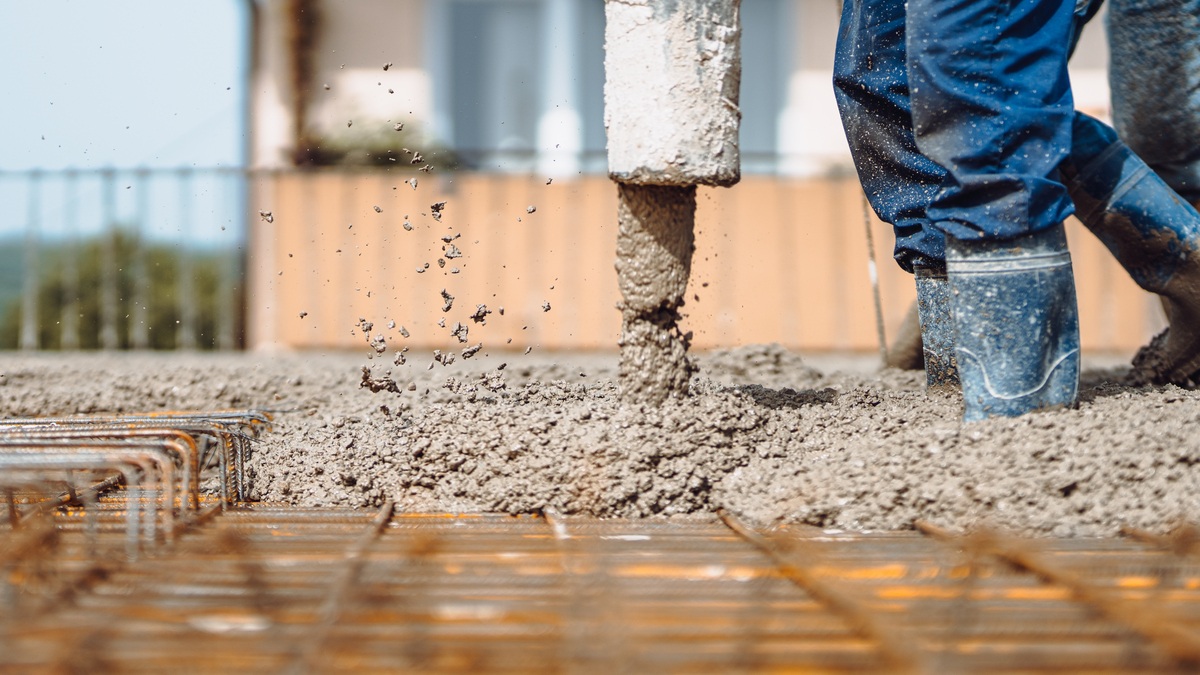
Bad concrete pouring can lead to long-term headaches and costly repairs. From early cracking to poor drainage, the signs of poor workmanship are often preventable with the proper preparation, materials, and techniques. Whether you’re planning a new driveway, patio, or garage floor, it pays to work with professionals who take the time to do it right. Contact Richfield Concrete today to ensure your next project is built to last. We deliver high-quality results backed by decades of experience and a proven process.