


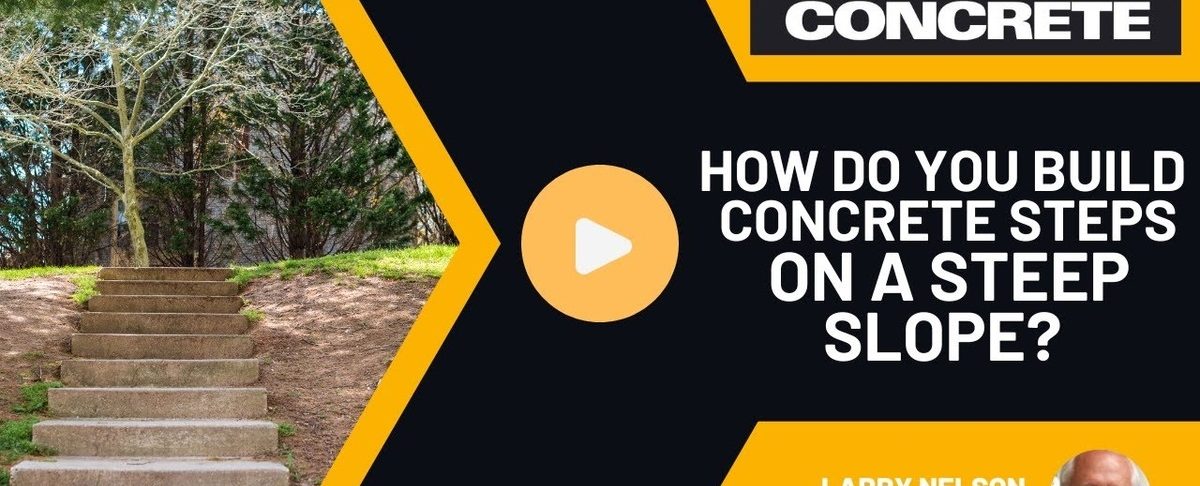
Creating safe and functional access becomes challenging when a property has a steep incline. Slippery grass paths or crumbling wooden steps won’t last long, and that’s where concrete comes in. Building concrete steps on a steep slope is one of the most effective ways to improve safety and accessibility while adding structure and durability to your outdoor space.
At Richfield Concrete, we help homeowners across Minneapolis turn steep or uneven yards into usable walkways and entries with long-lasting concrete steps. The process requires careful planning, proper drainage, and expert installation to ensure a safe, attractive finish that withstands Minnesota’s freeze-thaw cycles.
Why Concrete Is Ideal for Steep Slopes
Concrete is strong, weather-resistant, and highly customizable. That makes it one of the best materials for outdoor stairs, especially in sloped areas where stability and traction matter most.
Advantages of Concrete Steps
Concrete offers a range of benefits when building steps on challenging terrain, making it a superior choice for functionality and long-term performance.
1. Can be formed to fit irregular terrain
2. Withstands erosion and ground movement
3. Requires little maintenance over time
4. Offers textured finishes for slip resistance
5. Supports railing systems for added safety
Whether the goal is to create a welcoming concrete stoop, a functional path leading to a backyard patio, or a seamless connection between different levels in your yard, concrete steps offer a durable and visually appealing option.
Planning Concrete Steps on a Steep Slope
Before pouring any concrete, we plan out the project based on the exact slope and use of the stairs. Every site is different, and attention to detail in the planning stage is essential.
Measure the Slope and Determine the Rise
We build concrete steps on a steep slope by calculating the total rise (vertical height) and run (horizontal distance). From there, we determine:
–Number of steps: to span the slope
–Tread depth: how deep each step is
–Riser height: how tall each step is
Under residential code guidelines, stair risers are typically no more than 7 3/4 inches, and treads are at least 10 inches deep, which supports safer, more consistent footing.
Excavation and Subgrade Preparation
The next step involves clearing vegetation, excavating the slope, and compacting the subgrade. We may add gravel or crushed rock to create a stable base, depending on soil conditions. This part of the process is critical for long-term durability of concrete and to prevent the steps from shifting or cracking over time.
How We Form and Pour the Concrete Steps
Once the slope is prepped and measured, we begin constructing the formwork for each step using durable wood or metal framing.
Step Form Construction
1. Each riser and tread is carefully boxed to match the layout
2. Reinforcement (like rebar) is added to strengthen the concrete
3. Forms are secured in place to withstand the weight of the pour
Once the forms are precisely set, we pour the concrete in stages, working from the bottom up. This method ensures each step correctly supports the next and that the overall shape remains uniform. This careful approach is essential to avoid issues requiring someone to fix wet concrete problems, ensuring a durable and stable staircase.
Finishing and Curing
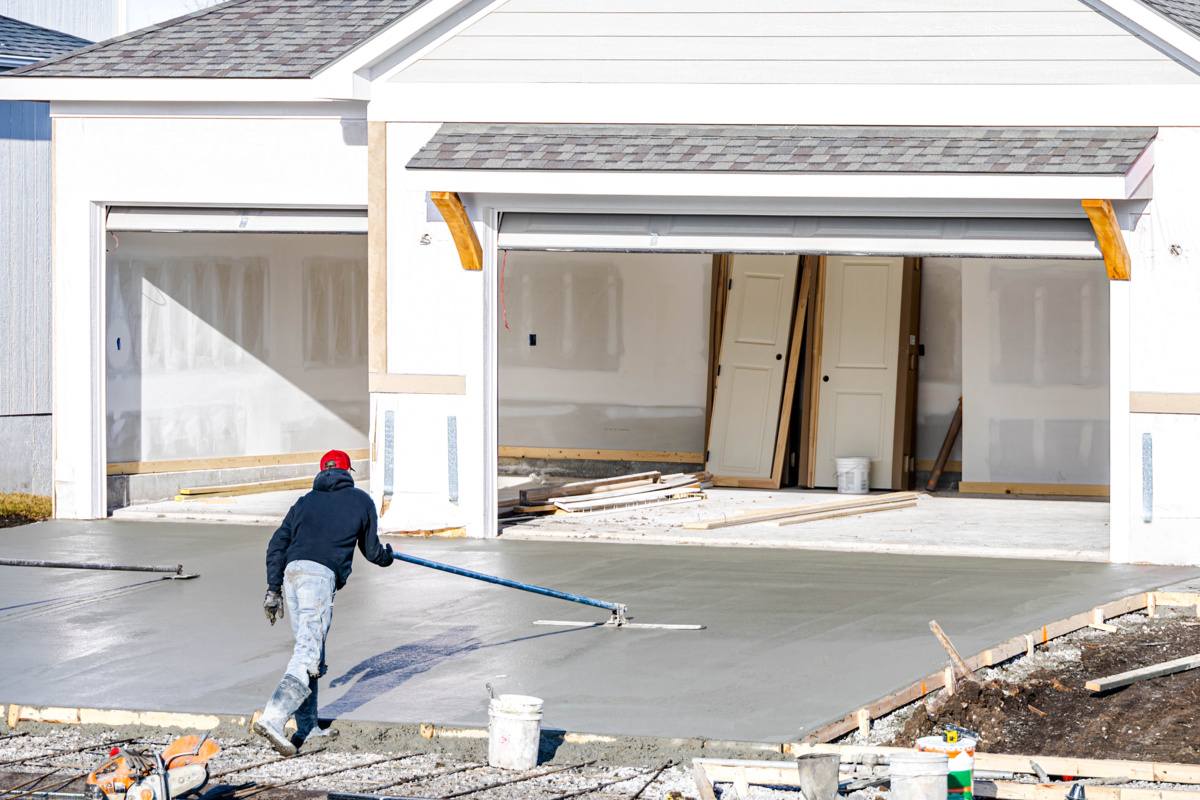
After pouring, we trowel each tread for a smooth but slip-resistant finish. In some cases, we add broom textures or exposed aggregate for traction. We then allow the concrete to cure for several days, during which time we protect the surface from rain, debris, and freezing temperatures.
Safety and Design Features to Include
For steep slopes, adding safety features is just as important as structural integrity.
Handrails and Guardrails
Building codes often require a handrail for stairways with more than three risers or steep inclines. We install railing systems that anchor securely into the concrete for safety and code compliance.
Drainage Considerations
We design the steps to allow water to drain away from the surface. We add proper pitch, drainage channels, or adjacent retaining walls to protect the structure from water damage over time.
When to Replace Old Steps vs. Build New
If your current concrete steps are cracked, crumbling, or pulling away from the slope, they may be unsafe. In such cases, removal and rebuilding are the safest and most effective options. Professionals offering Minnesota concrete steps installation and replacement services can evaluate whether the existing base is salvageable or if the slope needs regrading before a new build, ensuring a lasting and secure solution.
Build Concrete Steps That Last on Sloped Terrain
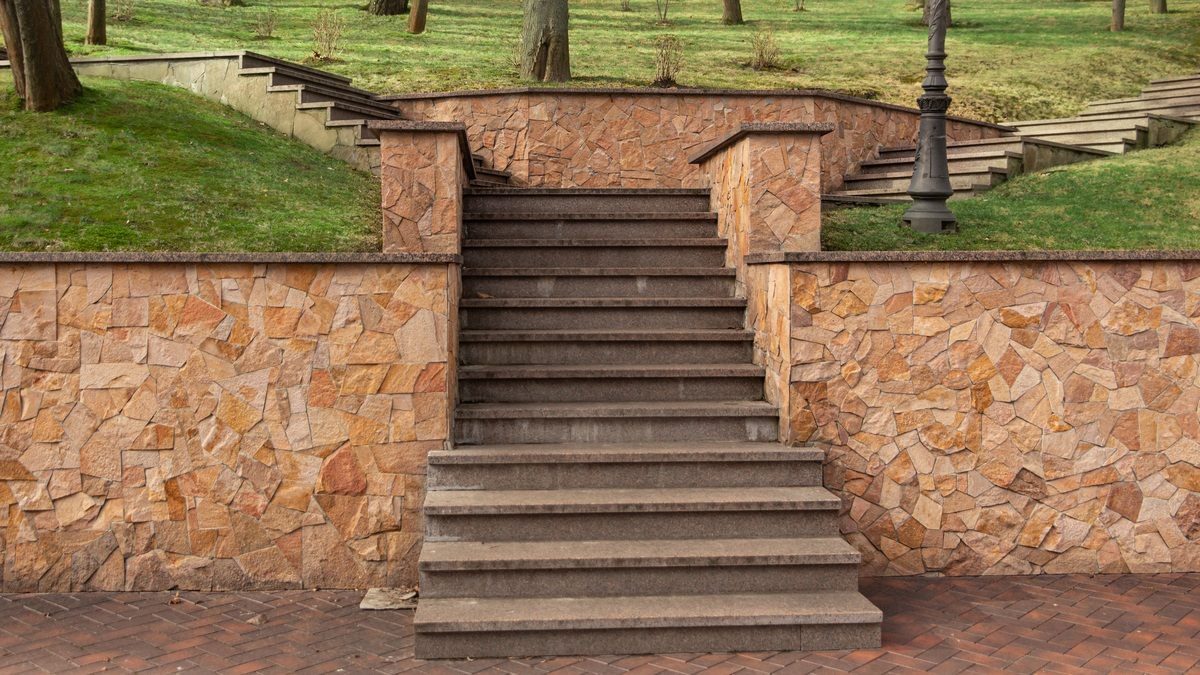
Constructing concrete steps on a steep slope isn’t a weekend project. It requires skill, equipment, and an understanding of how to work with elevation changes. With the right design and expert installation, these steps can improve safety and aesthetics for decades. Contact Richfield Concrete today to schedule a consultation and site review. We’re here to help you build strong, beautiful steps that custom-fit your sloped property and are built to last.