


Tight entryways, elevated door landings, and raised patios often require more than a basic stair design. Concrete steps with sidewalls are a great solution when added support, containment, or aesthetics matter. These poured structures create a strong, defined edge that improves stability and enhances visual appeal, especially for front entries or sloped walkouts.
At Richfield Concrete, we’ve built hundreds of custom stair and sidewall combinations throughout Minneapolis. The key to success is detailed prep, tight formwork, and the proper reinforcement to keep everything strong and square. If you’re considering a similar upgrade or want to understand the process better, here’s what goes into forming concrete steps with sidewalls.
What Are Concrete Steps with Sidewalls?
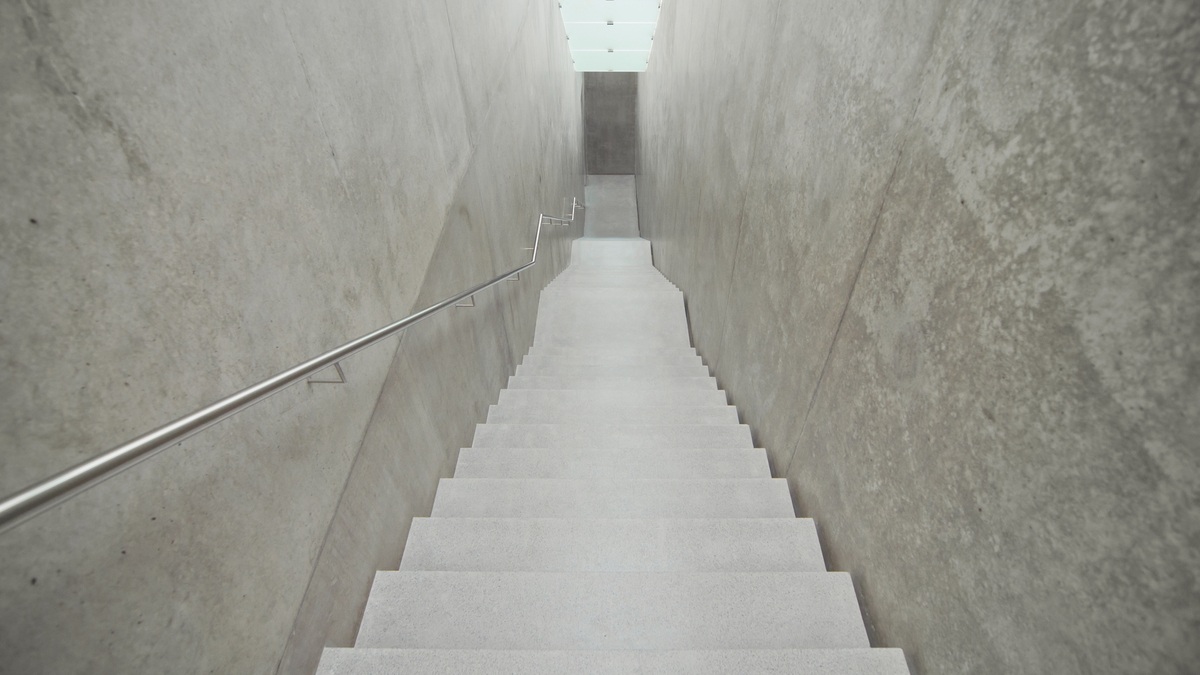
Concrete steps with sidewalls are integrated structures where the walls flank the stairs, partially or wholly enclosing them. These sidewalls can rise to rail height or simply border each side of the stair run. Such designs are a common and robust component of a complete concrete stoop installation, providing aesthetic appeal and enhanced structural integrity. In many formed-step designs, the stair run and sidewalls are built as a continuous concrete pour, creating a single, monolithic assembly that improves rigidity and long-term durability.
Why Sidewalls Are Used
Sidewalls in concrete step designs serve practical and aesthetic purposes. They provide both functionality and enhance the longevity of the stairs.
1. Add structural strength and stability
2. Provide natural containment of stairs
3. Prevent soil erosion or washout around steps
4. Serve as a foundation for railings
5. Improve curb appeal with clean symmetry
These steps are handy for homes with higher elevation changes, where keeping stairs contained or leveled is critical for safety and longevity.
Planning the Layout of the Steps and Sidewalls
Before building, we plan every layout detail, particularly when building concrete steps on steep slopes or connecting to existing porches and entryways. This careful planning ensures a perfect fit and a flawless final result.
Determining Stair Dimensions
We measure the total rise (height from bottom to top) and run (length of the stair footprint). From there, we calculate:
-Number of steps
-Height of each riser
-Depth of each tread
-Width of the steps, accounting for sidewall thickness
We usually keep risers between 6 and 7 inches for residential stairs and treads around 11 inches deep for safe, comfortable footing.
How We Form Concrete Steps with Sidewalls
When the situation warrants more than just a quick patch, it’s time to truly repair concrete steps by rebuilding them. Creating concrete stairs with sidewalls involves forming two key areas: the vertical steps and side containment walls. This process requires careful coordination and strong materials to hold their shape during the pour.
Step 1: Excavation and Base Prep
We excavate the area to create room for the forms and a stable gravel or compacted sub-base. A well-compacted base is essential to prevent cracking or movement over time.
Step 2: Installing the Sidewall Forms
Sidewalls are formed using heavy-duty wood or prefabricated forms. These are anchored with stakes and braces to prevent bowing or movement under pressure. We align both sidewalls perfectly so the stairs between them will be square and even.
Step 3: Building the Step Forms
Next, we build individual risers and treads inside the framed wall space. These forms are built using treated lumber and adjusted to match the design layout. Each riser is anchored and braced to prevent shifting during the pour. We ensure proper spacing and a consistent slope for water runoff.
Reinforcement and Pouring Concrete
Concrete alone isn’t enough for long-term support, especially for stairs. That’s why rebar for concrete is added throughout the steps and sidewalls. This reinforcing steel significantly strengthens the structure.
Pouring the Sidewalls
We typically pour the sidewalls first, allowing them to set partially or fully before pouring the steps. This staged process supports the stair formwork and helps prevent bowing or concrete overflow.
Pouring the Steps
Once the walls are cured or stable, we pour concrete into the stair forms, moving from bottom to top. Each tread and riser is vibrated and troweled to eliminate air pockets and create a smooth finish.
Finishing Touches and Curing
After the pour, we finish the concrete using a combination of trowel and broom finishes. A broom texture adds traction, which is critical for outdoor safety. We also:
1. Remove forms after partial curing
2. Add expansion joints as needed
3. Install railings (if required)
4. Apply curing blankets or sprays to retain moisture
Proper concrete curing is key. We recommend keeping the concrete moist and protected for at least 48–72 hours after the pour.
When Concrete Steps with Sidewalls Make Sense
This style of stair system is ideal when you need more than just utility. If your property has:
-Sloped entry points
-Raised porches or walkouts
-Drainage concerns
-Railings that need secure mounting
-A desire for a more finished, architectural look
Then, concrete steps with sidewalls can deliver both function and style.
Build Safe, Long-Lasting Concrete Steps with Confidence
Whether upgrading your front entry or adding safe access to a patio or backyard, building concrete steps with sidewalls offers structural integrity and visual appeal. With careful planning and expert construction, these steps hold up beautifully in Minnesota’s freeze-thaw conditions. Contact Richfield Concrete today to schedule your consultation and get a custom quote for your project. We’re here to help you build beautiful, reliable steps designed to last for decades.