



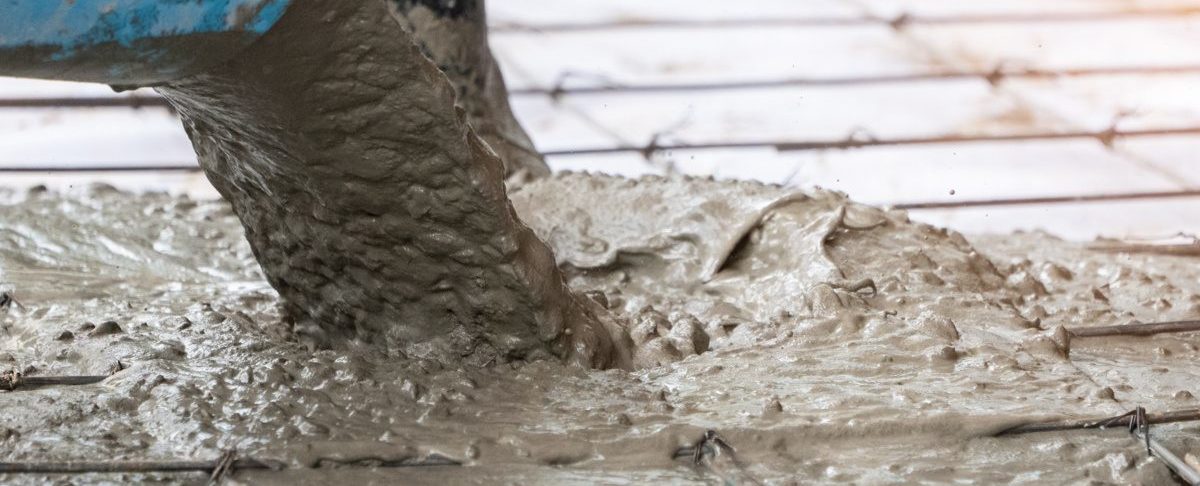
Aging concrete surfaces often leave homeowners and property managers weighing their options. When cracks, surface wear, or cosmetic damage appear, it is common to ask whether it makes sense to pour concrete over concrete or whether removing and replacing the slab is the safer long-term choice. The answer depends on more than appearance alone.
Overlaying concrete can be effective under the right conditions, but it is not a shortcut solution. In Minnesota, freeze–thaw cycles, moisture intrusion, and soil movement can turn a poorly planned overlay into a costly failure. Understanding when an overlay is appropriate and when replacement is unavoidable helps protect both performance and investment.
What It Means to Pour Concrete Over Concrete
Overlaying concrete involves placing a new layer of concrete over an existing slab rather than demolishing and replacing it. This approach can improve appearance and restore surface functionality when the underlying concrete remains structurally sound.
Overlay vs. Replacement at a Structural Level
An overlay relies entirely on the condition of the existing slab. If the original concrete is stable, properly pitched, and free of major structural defects, the new layer can bond and perform as intended. As a practical screening benchmark, research on concrete overlays notes that tensile bond strength (ASTM C1583) should be greater than 200 psi, a reminder that surface prep and substrate integrity are non-negotiable.
Because overlays do not correct underlying structural issues, evaluating the existing concrete is the most important step before choosing this approach.
When Existing Concrete Is a Good Candidate for an Overlay
Not every worn slab needs to be removed. In some cases, overlaying can extend the life of the surface without requiring a full replacement.
Stable Slabs With Surface-Level Damage
Concrete that shows cracking, surface scaling, or cosmetic wear may be suitable for an overlay if the slab is not shifting or settling. The surface must be intact enough to support bonding and uniform thickness.
Proper Pitch and Drainage
Existing concrete should already drain correctly. An overlay follows the slope of the original slab, so standing water or drainage issues will carry through if not addressed beforehand.
When these conditions are met, choosing to pour concrete over concrete can provide a functional upgrade without unnecessary demolition.
Warning Signs an Overlay Will Fail
Some slabs are simply not good candidates for an overlay, regardless of surface appearance. Certain conditions indicate that the existing slab lacks the stability required to support a new layer of concrete, making failure likely regardless of installation quality.
Structural Cracking and Movement
Wide cracks, heaving, or sections that move independently indicate underlying instability. Overlaying these surfaces often leads to crack reflection, where damage transfers through the new concrete layer.
Moisture and Base Failure
Moisture trapped beneath a slab or eroding soil support will continue to affect the surface. An overlay does not stop these forces and may deteriorate even faster than the original concrete.
Recognizing these warning signs of a bad concrete pour early helps avoid spending money on a solution that will not last. A proper evaluation helps ensure the chosen solution delivers long-term durability rather than short-term appearance.
Surface Preparation Requirements for Successful Overlays
Preparation also determines whether the new concrete moves as a unified system with the existing slab. Without the right surface profile and bonding conditions, overlays are prone to delamination, cracking, or uneven wear shortly after installation.
- Cleaning, profiling, and bonding: The existing slab must be thoroughly cleaned and mechanically prepared to create a bonding profile. Contaminants such as oil, sealers, or debris prevent proper adhesion.
- Repairing minor defects first: Small cracks and surface imperfections should be repaired before overlay placement. This step helps create a uniform surface and reduces stress points in the new concrete.
Without proper preparation, even high-quality concrete will not perform as intended. Proper surface preparation creates the foundation for a durable overlay and directly affects long-term performance.
Thickness, Bonding, and Drainage Considerations
Overlay thickness plays a critical role in durability and performance. Small miscalculations in thickness or bonding can quickly lead to cracking, delamination, or uneven wear.
- Managing thickness limits: Overlays are typically thinner than full slabs, which limits their ability to absorb movement or correct elevation problems. Thin overlays require stable conditions to avoid cracking.
- Drainage and edge transitions: Careful attention must be paid to transitions at edges, joints, and adjacent surfaces. Improper detailing can trap water and accelerate deterioration.
These technical considerations reinforce why overlays must be planned carefully rather than treated as a quick fix. It’s important to remember that a well-designed overlay protects both the surface appearance and the structural integrity beneath it.
Overlay vs. Replacement: Cost, Lifespan, and Risk
Cost is often the main reason overlays are considered, but it should not be the only factor. While overlays can reduce upfront expenses and shorten project timelines, they also introduce performance risks that must be weighed carefully.
Short-Term Savings vs. Long-Term Performance
Overlaying concrete can reduce upfront costs and shorten project timelines. However, if the underlying slab is compromised, replacement often delivers better long-term value by eliminating recurring issues.
Evaluating Total Lifecycle Cost
When maintenance, potential repairs, and lifespan are considered, replacement may be the more economical option over time. Making the right choice requires balancing the budget with performance expectations.
Comparing risk and durability helps determine whether overlaying is a smart investment or a temporary solution. Evaluating both options through the lens of total cost, expected performance, and long-term risk leads to better outcomes.
Why Professional Evaluation Matters Before Overlaying Concrete
Overlay decisions should be based on structural assessment, not convenience. A professional evaluation looks beyond visible cracks and wear patterns to assess the overall condition of the concrete system.
- Experience with success and failure: This experience helps guide accurate recommendations.
- Long-term planning and accountability: This approach helps ensure that if you choose to pour concrete over concrete, the result performs reliably rather than creating new problems.
A thorough evaluation helps ensure that overlaying concrete is both structurally sound and cost-effective over time. Moreover, professional concrete overlay guidance reduces uncertainty and supports decisions that prioritize durability, safety, and long-term performance rather than short-term convenience.
Why Choose Richfield Concrete for Overlay and Replacement Decisions
Concrete overlays require honest assessment and careful planning to succeed. Richfield Concrete brings decades of experience evaluating existing slabs across Minnesota, helping property owners understand when overlaying is appropriate and when replacement is the safer option.
Our team focuses on long-term performance, not shortcuts. By evaluating structural conditions, drainage, and usage demands, we help clients choose solutions that protect durability and reduce repeat repairs.
Get Clear Guidance on Your Concrete Repair Options
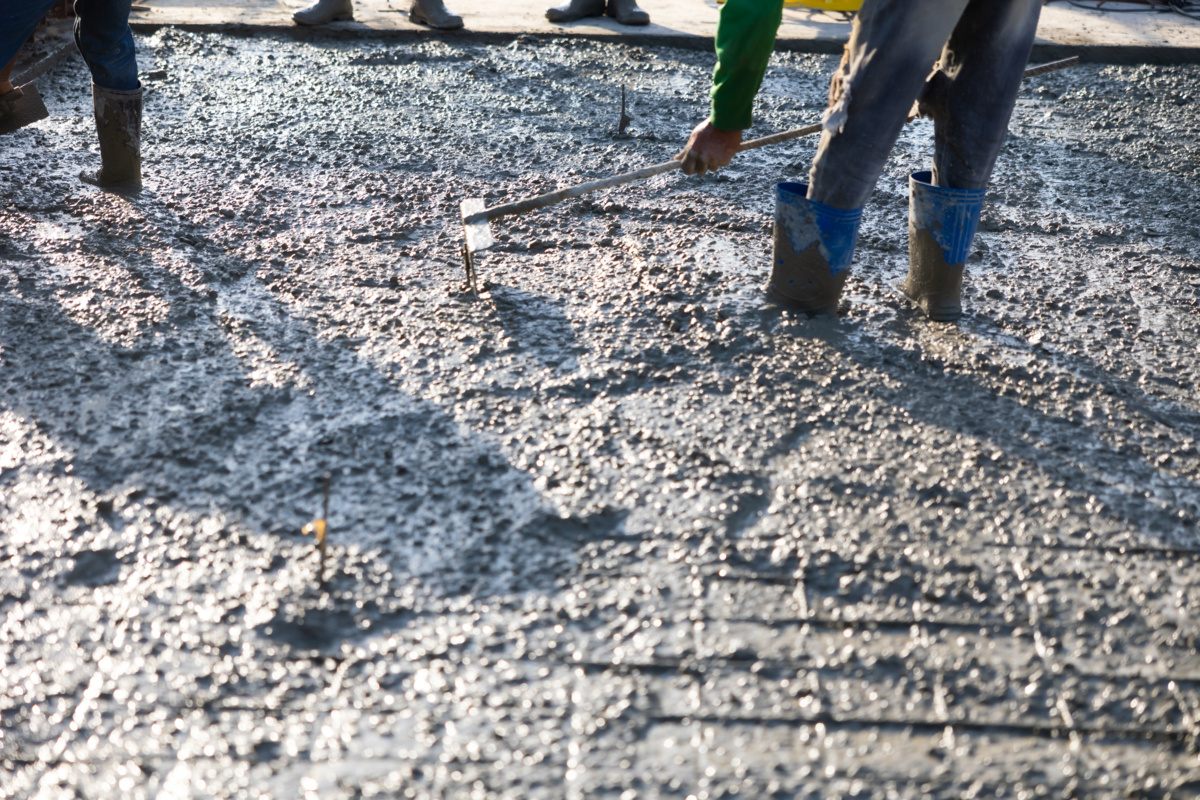
Overlaying concrete can be effective when conditions are right, but it is not suitable for every project. Knowing when to overlay and when to replace helps prevent premature failure and unnecessary expense. If you are considering whether to pour concrete over concrete or replace an existing slab, Richfield Concrete can help you evaluate your options. Contact Richfield Concrete to discuss your project and choose a solution built for Minnesota conditions and long-term performance.