



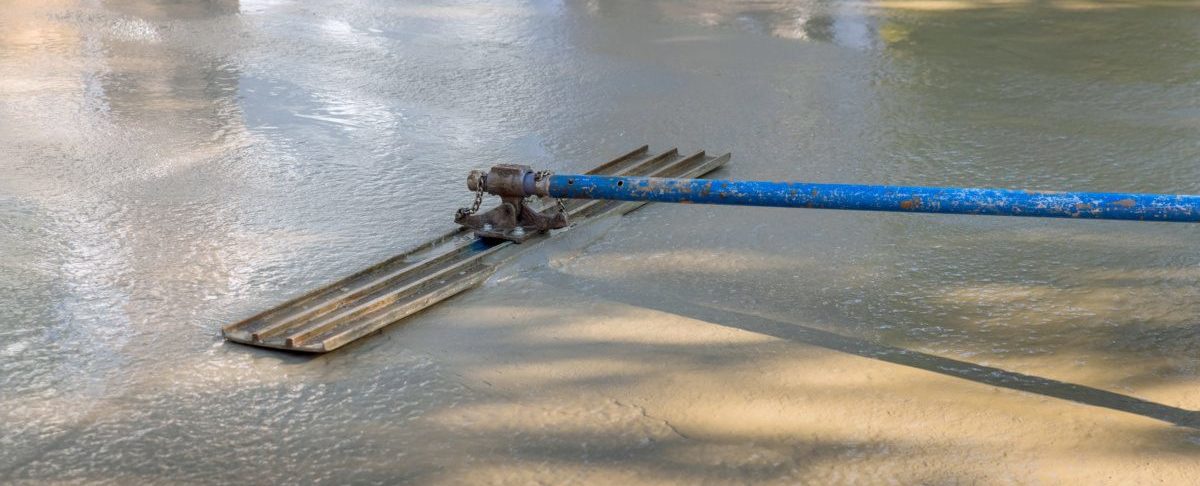
After a Minnesota winter, snowmelt has a way of revealing driveway problems that were easy to ignore in colder months. Ponding water, ice refreezing near the garage, and new cracking often show up at the same time, which makes decision-making harder. If you are weighing concrete driveway resurfacing versus replacement, the drainage issue should be the first thing you evaluate, not the finish.
Resurfacing can improve appearance and address minor surface wear, but it does not automatically correct slope, base problems, or water routing. The goal of this guide is to help you diagnose what snowmelt is telling you and choose a fix that holds up through future freeze and thaw cycles.
Start With a Snowmelt Drainage Check
Drainage problems are easiest to spot right after snowmelt, when water is actively moving across the surface. A driveway that looks acceptable in dry weather can still send water toward the garage or leave low spots that repeatedly refreeze. A simple inspection now can prevent you from paying for a cosmetic upgrade that does not solve the real problem.
Quick Checklist You Can Do in 10 Minutes
- Ponding: water sits in one area longer than 30 to 60 minutes after melt or rain.
- Garage line icing: meltwater runs toward the garage door and refreezes overnight.
- Edge washout: soil erosion along driveway edges or at the apron.
- Joint and crack tracking: water channels along cracks, joints, or seams.
- Downspout discharge: roof runoff empties onto the driveway and concentrates flow.
Drainage-driven damage tends to accelerate as temperatures rise and traffic increases in spring and summer. So, if this checklist reveals consistent pooling or water movement toward the home, your next step should focus on correcting water behavior before choosing a surface treatment.
Expert tip: A practical rule used in the industry is that exterior slabs need a consistent slope to move water away, often described as about 2% slope or roughly 1/4 inch per foot.
Why Drainage Problems Get Worse After Snowmelt
Snowmelt is not just “extra water.” It is water that often refreezes, penetrates openings, and repeatedly expands, which stresses the slab and the base beneath it. When drainage is poor, the driveway stays saturated longer, creating conditions where freeze and thaw damage can progress faster over time. Over time, the driveway becomes more vulnerable to scaling, spalling, and crack growth.
This is also why “fixing the surface” alone is not always enough. If water routing stays the same, the driveway may continue deteriorating even after a new layer or coating is applied.
When Resurfacing Can Be the Right Call
Resurfacing can be a strong option when the slab is structurally stable, and the drainage issue is minor or correctable. The key is that the driveway must be sound enough to support a bonded overlay or resurfacing system. If the base is shifting or the slab is moving, a new surface will typically reflect the same movement.
Good candidates for resurfacing concrete driveway projects
Resurfacing is most appropriate when you have:
- Light to moderate surface wear (minor pitting, light scaling).
- Hairline cracking that is not widening or displacing.
- Stable slab panels with no significant settlement.
- Drainage issues limited to small low areas that can be corrected during prep.
If you plan to resurface a concrete driveway, the success of the project depends heavily on surface preparation, crack treatment, and the bonding method. Those steps are where many long-term outcomes are decided, not in the final finish coat. The important point is that resurfacing should be chosen because the slab qualifies structurally, not because it seems like the fastest option.
When Replacement Is the Safer Drainage Fix
Replacement becomes the more responsible choice when drainage problems are tied to slope failure, base instability, or widespread cracking with movement. When water is consistently flowing toward the garage or collecting in multiple areas, it often indicates that the driveway geometry is wrong. In those cases, a new surface layer typically will not change where water goes.
Red Flags That Point To Replacement
Replacement is usually the better option when you see:
- Settlement or heaving that creates uneven panels.
- Multiple low spots that hold water after most melt events.
- Cracks with vertical displacement (one side higher than the other).
- Water draining toward the foundation or garage entry line.
- Repeated patching that never “stays fixed” through a full winter.
Replacement allows a contractor to rebuild the pitch, correct base conditions, and reset drainage intentionally. Addressing these foundational elements prevents common signs of bad concrete pouring, such as standing water, premature scaling, or deep structural cracks. Addressing these foundational elements prevents common signs of bad concrete pouring, such as standing water, premature scaling, or deep structural cracks. That is the difference between hiding symptoms and correcting the cause.
Richfield Concrete emphasizes proper grading, basing, and drainage considerations during driveway construction, which is exactly what a drainage-driven replacement is meant to address.
Resurfacing vs. Replacement for Drainage After Snowmelt
If the drainage problem is the core complaint, your decision should prioritize water control and slab stability. It also helps to think in terms of risk: resurfacing is a lower-disruption option when the slab is sound, while starting the concrete driveway replacement process is a higher-certainty option when the slab or pitch is failing.
By committing to a full replacement, you can ensure the sub-base is correctly graded to divert water away from your foundation. This risk lens tends to produce better outcomes than choosing purely on price.
A Simple Decision Scorecard
Choose resurfacing when most of these are true:
- Slab is largely level and stable.
- Cracks are tight and not shifting.
- The drainage issue is isolated and correctable.
- You want an improved appearance without changing grade.
Choose replacement when most of these are true:
- Water consistently runs the wrong direction.
- Pooling occurs in multiple locations.
- Cracks show movement or displacement.
- You want a long-term fix that resets slope and base.
This is also why professional evaluation matters. Measuring slope, mapping low points, and identifying whether the base has failed are difficult to do reliably by eye.
If you are deciding between resurfacing and replacement, use concrete driveway resurfacing only when the slab qualifies, and treat persistent drainage as a replacement-level signal. That single distinction prevents many failed “upgrades.”
Concrete Resurfacing DIY Dos and Don’ts for Drainage Situations
DIY resurfacing can look straightforward online, but drainage-related driveways add complexity. A driveway with ongoing pooling or wrong-direction flow is not just an appearance problem, and DIY systems rarely correct geometry in a durable way. Even when DIY looks good at first, seasonal movement and moisture can expose weaknesses quickly.
Dos
- Do fix obvious runoff sources first (downspouts, gutter discharge).
- Do address small cracks properly before any resurfacing layer.
- Do confirm water is moving away from the garage line during melt events.
Don’ts
- Do not apply resurfacing over moving slabs or displaced cracks.
- Do not expect a thin overlay to correct major slope problems.
- Do not treat recurring ponding as “cosmetic.”
If your driveway is showing drainage failures after snowmelt, DIY efforts often become temporary. A professional assessment can help you avoid repeating the same repair cycle each spring.
Why Choose Richfield Concrete for Driveway Decisions and Drainage Outcomes
Drainage performance is designed, not guessed. A good concrete driveway contractor in Minneapolis should be able to explain why water is moving the way it is, what must change to correct it, and what solution matches the condition of the slab. That level of clarity is what separates a lasting fix from another short-term patch.
Here’s why property owners choose Richfield Concrete:
- Experienced driveway consulting and site assessment before work begins.
- Drainage and basing considerations built into the installation plan.
- Minnesota-specific mix and process messaging tied to winter performance.
- Established Twin Cities market presence and a defined customer experience process.
If your driveway’s drainage problems are showing up every spring, a structured evaluation helps determine whether resurfacing is realistic or whether replacement is the smarter long-term correction.
Protect Your Driveway Before Spring Turns Into Summer Damage
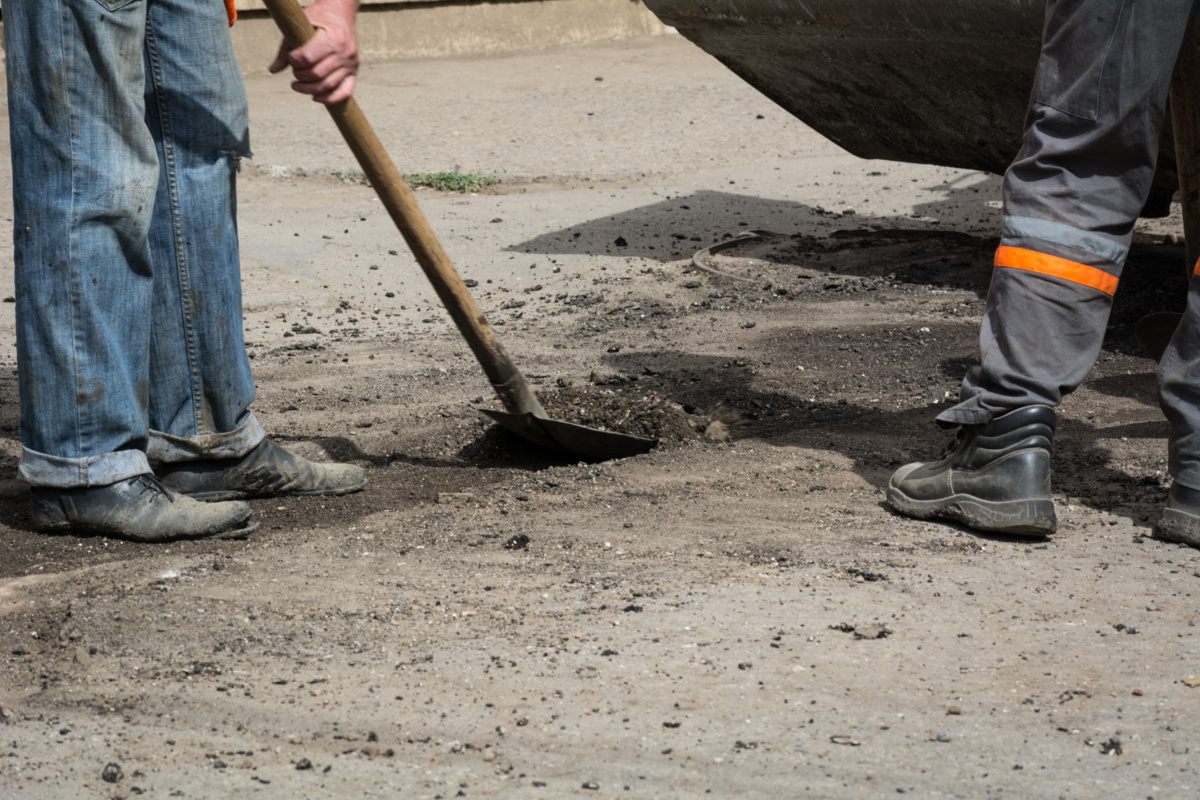
Snowmelt drainage problems rarely improve on their own. As temperatures rise, water exposure, traffic, and heat expansion can accelerate cracking and surface breakdown, especially in low spots that stay wet. The right solution is the one that fixes how water behaves, not just how the driveway looks.If you are considering concrete driveway resurfacing but are seeing pooling water or runoff toward the garage, contact Richfield Concrete right away. We can help you evaluate whether resurfacing will hold up or whether replacement is the safer investment.
