


Noticing sunken sections or cracks in your concrete can raise an important question: Do you need concrete leveling or a complete replacement? As Minneapolis concrete specialists, we often help homeowners make the right call based on their surface condition, budget, and long-term needs.
Concrete leveling is often the more affordable and less invasive option. However, replacement might be the smarter investment depending on how the concrete was poured initially, how it has shifted, and how much damage exists. Today, we’ll discuss how temperature extremes affect concrete, how to tell when leveling is a good choice, and when it’s time to start fresh with new pavement.
How Temperature Extremes Impact Concrete Durability
Concrete is a robust and versatile material, but its performance and longevity depend highly on the conditions it experiences, particularly during the critical stages of curing and throughout its lifespan. Temperature extremes, common in many regions, can pose significant challenges to concrete integrity
Why Temperature Matters from the Start
Understanding how temperature affects concrete is crucial, whether you’re leveling an existing slab or pouring new material. In climates like Minneapolis, harsh winters and hot summers introduce significant fluctuations that dramatically impact concrete’s curing process and long-term durability.
During frigid conditions, the hydration process slows significantly, delaying strength gain and increasing the risk of freezing, inherently weakening the concrete surface. Conversely, high heat causes moisture to evaporate too quickly, leading to premature cracking and compromised durability. Both extreme scenarios prevent concrete from achieving its designed strength and longevity.
Long-Term Effects of Temperature Fluctuations
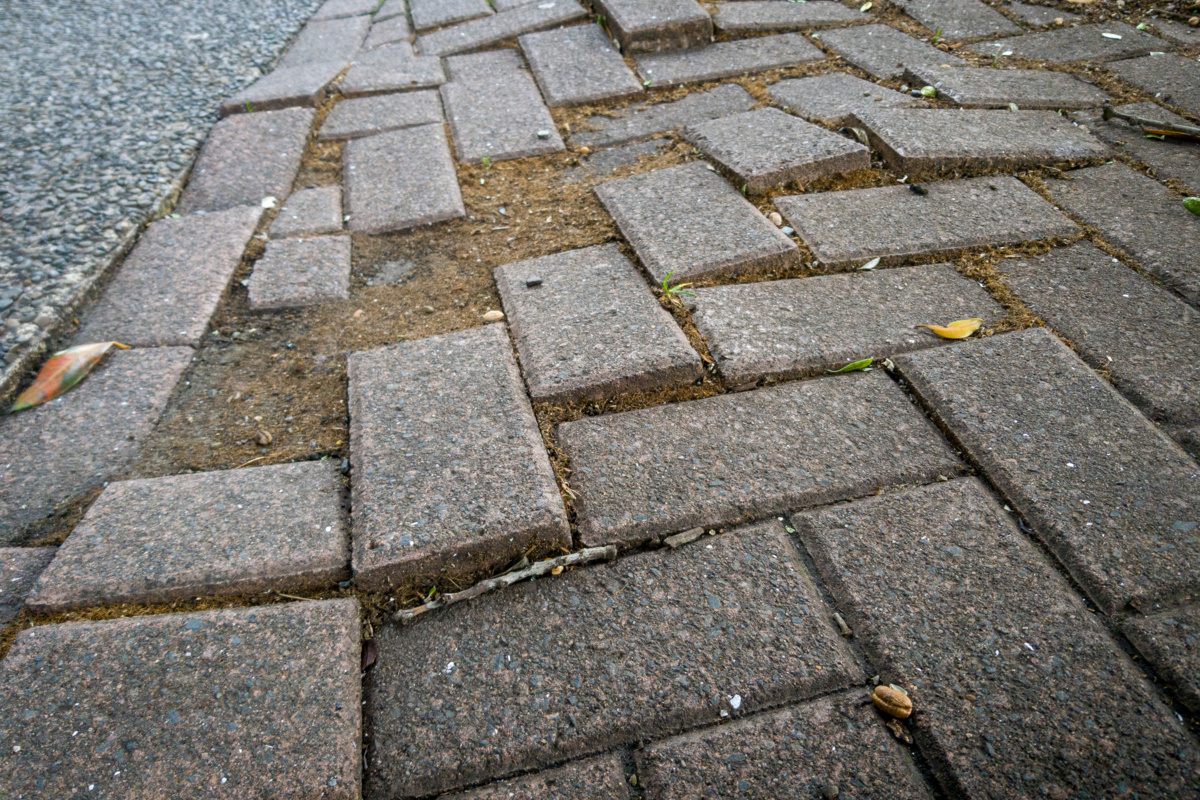
Once concrete has cured, extreme changes between hot and cold seasons cause it to expand and contract. This leads to surface shifting, cracking, and uneven slabs. If this movement was not accounted for during installation, or if the base under the slab wasn’t properly compacted, these seasonal cycles can cause sections to sink, requiring concrete leveling or, worse, full replacement.
How to Know If Concrete Leveling Is the Right Fix
Finding an uneven concrete slab can be frustrating, but it doesn’t always necessitate an expensive replacement. Often, a more targeted solution, such as concrete leveling, can restore your surface. Understanding when leveling is the correct fix can save you time, money, and trouble.
When Leveling Makes Sense
Concrete leveling is ideal for situations where the slab is structurally sound but uneven. We often recommend this process when:
– A driveway or walkway is sunken but not severely cracked.
– The concrete surface is still intact and not crumbling.
– The problem is due to soil settlement or washout underneath the slab.
Leveling involves injecting material beneath the surface to lift and support the slab. It corrects tripping hazards and improves surface drainage without the cost of full replacement.
Best Practices for Concrete Leveling in Any Season
Timing is everything with concrete leveling, especially in Minneapolis. The ideal time to perform this service is when temperatures are above freezing and moisture levels are stable. We avoid leveling in colder months because the frozen ground can lead to inaccurate lift results.
We always assess ground conditions, weather forecasts, and the concrete’s existing state to determine the best approach. This meticulous process, combined with materials designed for durability in broad temperature ranges, helps explain why we choose concrete for Minnesota properties and expect it to hold up beautifully through summer heat and winter freeze-thaw cycles.
When Concrete Replacement Is the Better Option
While concrete leveling and repair can address many common issues, there are instances when these solutions are no longer sufficient. Attempting to patch or level for severe damage or widespread problems might only offer a temporary fix, leading to recurring costs and frustration
Warning Signs That It’s Time to Replace
Concrete leveling can’t fix everything. If your slab shows advanced signs of deterioration, replacement may be the only reliable long-term solution. Consider replacement when:
1. Large cracks run through the entire depth of the slab.
2. The surface is heavily pitted, crumbling, or flaking.
3. Previous leveling attempts have failed to resolve issues.
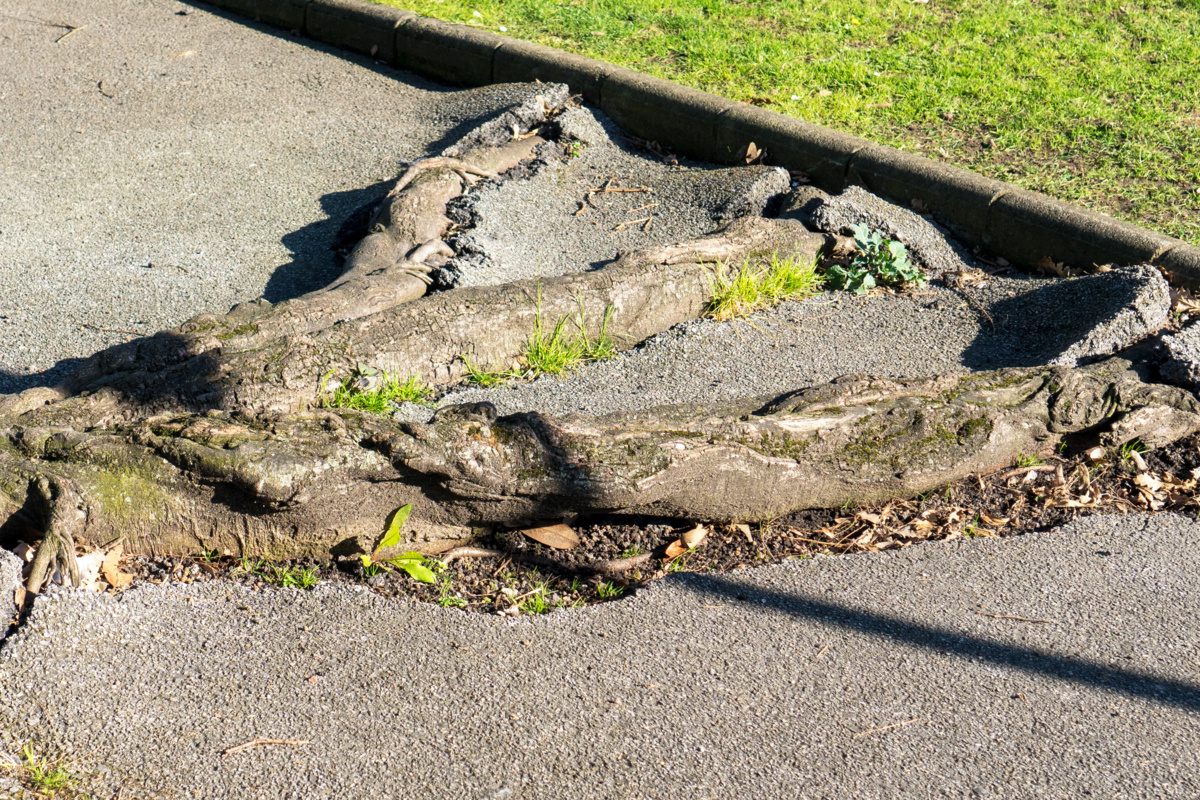
4. Sections have completely broken apart or lifted.
In cases where the underlying issues are severe, patching or lifting an existing concrete slab offers only a temporary fix. Replacing the slab allows for proper grading, correct installation of control joints, and crucial preparation of the best base material under concrete. These are vital steps to prevent future cracking and ensure lasting durability.
The Role of Temperature During the Curing Period
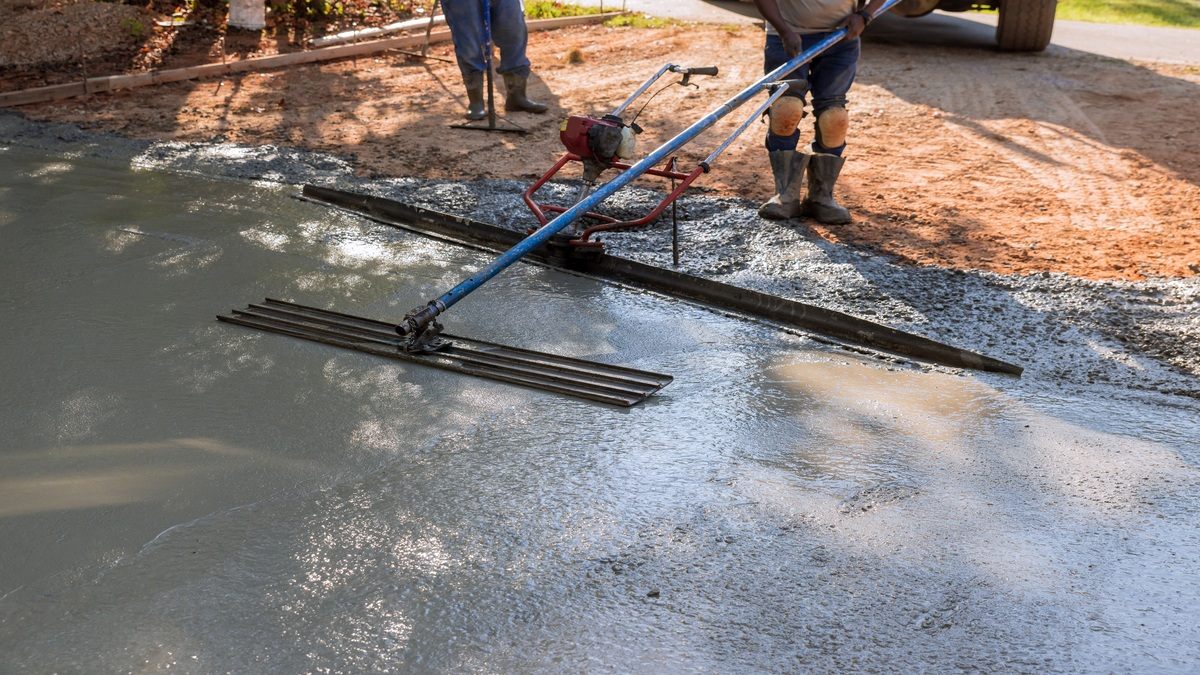
Curing is the process by which concrete hardens and gains strength. During curing, extreme heat or cold exposure can lead to premature drying or freezing. If not handled carefully, this weakens the surface and can introduce long-term durability problems, particularly in concrete leveling jobs. That’s why our team at Richfield Concrete uses controlled methods to manage curing during all installations and repairs, ensuring high-quality concrete installations in Minneapolis. We consistently follow industry best practices that account for our local weather and soil conditions, guaranteeing a lasting result for your property.
Take the Next Step Toward a Safer, Stronger Concrete Surface
If you see signs of settling, cracking, or uneven concrete, don’t wait until it becomes a safety issue or an expensive repair. Still not sure? Let a pro take a look. Whether you need concrete leveling or a complete replacement is unclear. We offer professional inspections to help homeowners evaluate their concrete and choose the most cost-effective, long-lasting solution. Contact Richfield Concrete today to schedule your evaluation. We provide honest, expert recommendations backed by decades of experience.