



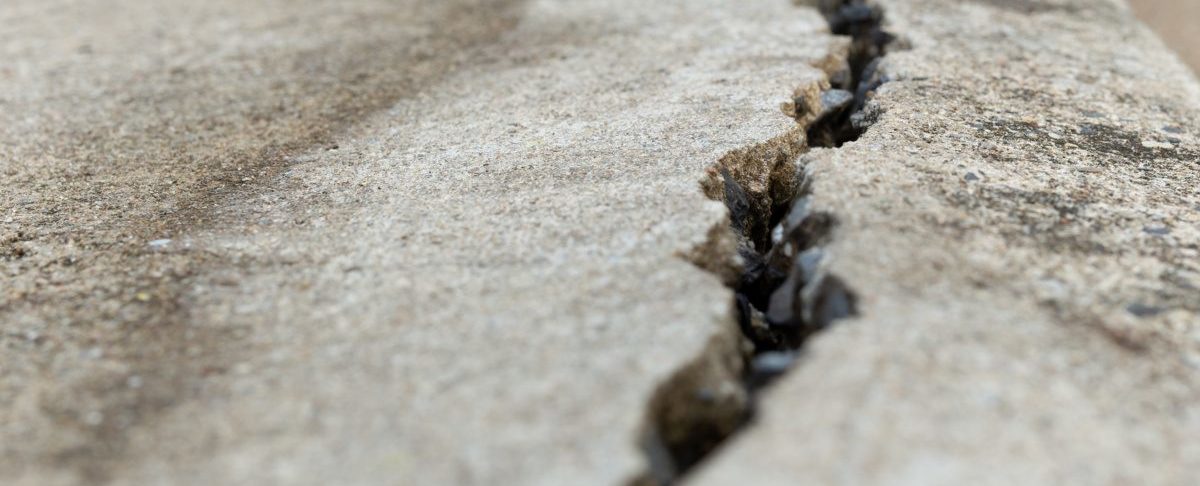
Spring often reveals problems that were hidden through winter. Many homeowners notice that cracks have returned, edges are chipping again, or repaired areas on their front steps did not hold up as expected. In these situations, concrete step repair may seem unsuccessful, but the real issue is often not the repair itself; it is the conditions surrounding it.
Concrete steps and stoops take constant abuse from foot traffic, moisture, and temperature changes. In Minnesota, freeze–thaw cycles and spring snowmelt make these entry points especially vulnerable. Understanding why cracks reappear and how to prevent them helps homeowners avoid repeat repairs and protect the safety of their entryways.
Why Concrete Steps Crack Again After Repair
Many step repairs fail because the underlying cause of the damage was never fully addressed. Surface cracks are often treated as isolated problems, but in reality, they are symptoms of deeper issues such as moisture intrusion, soil movement, or structural stress around the entryway.
When repairs focus only on filling visible cracks without correcting drainage, bonding, or base stability, the concrete remains vulnerable to the same forces that caused the original damage. In cold regions, repaired areas repeatedly expand and contract as temperatures change. Research from the Federal Highway Administration shows concrete in freezing climates can experience roughly 140 to 170 freeze–thaw cycles per year, gradually reopening weak repair areas over time.
Structural Movement Beneath the Steps
Concrete steps are typically tied to a concrete stoop or foundation. If soil beneath the stoop shifts or settles, repaired cracks can reopen. Surface patching alone does not correct movement beneath the structure, which is why cracks often reappear within a few seasons.
Moisture Penetration and Expansion
When water enters small cracks or joints and then freezes, it expands and widens the damaged area. This repeated expansion weakens repaired sections and leads to visible cracking over time.
To repair damaged concrete steps successfully, both structural movement and moisture intrusion must be corrected—not just the surface damage.
Spring Moisture and Freeze-Thaw Damage at Entryways
Spring creates ideal conditions for damage around steps and stoops. In Minnesota, early spring often brings repeated freeze–thaw cycles. Water trapped within or beneath the concrete expands as it freezes, weakening repairs and accelerating surface deterioration.
- Snowmelt and poor drainage: Melting snow and ice often funnel water toward entryways. If drainage is poor, moisture collects near steps and seeps into repaired areas. Over time, this increases pressure on the concrete and accelerates deterioration.
- Temperature swings: Early spring often brings freezing nights and warmer days. These rapid changes stress the repaired areas, especially if materials were not properly bonded or cured.
Managing moisture and drainage around steps is critical for long-term repair success. When moisture is controlled, repairs are better able to withstand seasonal changes and deliver lasting performance.
Common Repair Mistakes That Lead to Repeat Cracking
Even well-intended repairs can fail when certain steps are skipped.
- Cosmetic patching without structural prep: One of the most common mistakes when learning how to repair concrete steps is focusing only on visible cracks. Without proper surface preparation and bonding, patch materials may not adhere correctly or move with the underlying concrete.
- Using incompatible materials: Repair compounds that do not match the expansion characteristics of existing concrete can crack or separate under temperature changes. This is a frequent cause when homeowners notice that concrete steps are chipping away shortly after repair.
Avoiding these mistakes requires selecting appropriate materials and applying them correctly.
Repair vs. Replacement: When Fixing Steps Is Not Enough
Not all damaged steps should be repaired. While minor cracks and surface wear can often be addressed successfully, understanding when to be concerned about cracks on concrete is important, as some conditions indicate deeper structural problems that repairs alone cannot resolve.
Signs Replacement May Be the Better Option
Repair may not be effective if:
- Cracks are wide or structural
- The concrete stoop is settling or pulling away
- Multiple repair attempts have already failed
In these cases, replacement becomes the more practical option when repairs can no longer restore stability, safety, or proper alignment. Installing new steps allows underlying issues such as drainage, soil support, and reinforcement to be corrected, providing a safer and more durable solution over time.
Evaluating the Whole Entryway
Steps work as part of a larger system that includes the stoop, foundation, and surrounding grade. A proper evaluation looks beyond surface damage to determine whether repair or replacement makes the most sense. Clear guidance helps homeowners avoid spending money on fixes that will not last.
Does Sealing Extend the Life of Concrete Step Repairs?
Sealing plays an important role in protecting repaired concrete.
- Moisture protection: A quality sealer helps block water intrusion, reducing freeze–thaw damage. This is especially important for steps exposed to snow, ice, and deicing products.
- Limitations of sealing: While sealing helps protect the surface, it does not correct underlying movement or structural issues. Sealing should be viewed as part of a broader prevention strategy, not a standalone solution.
When applied correctly, sealing can extend the lifespan of repairs and improve durability.
DIY Risks vs. Professional Concrete Step Repair
DIY repairs may seem appealing, but they carry risks. Many homeowners focus on surface-level fixes without fully understanding why cracks formed in the first place. Without addressing moisture intrusion, structural movement, or proper bonding, DIY concrete repairs often provide only short-term improvement before damage reappears.
Short-Term Fixes and Long-Term Costs
Many DIY repairs fail because they do not address base stability, moisture control, or material compatibility. This often leads to repeated cracking and higher costs over time.
Professional Evaluation and Execution
Professional concrete step repair considers the condition of the steps, the concrete stoop, and the surrounding soil. This approach helps prevent recurring damage and ensures repairs are suited to Minnesota conditions.
Experienced contractors evaluate the entire stoop system, identify underlying causes of damage, and apply repair methods suited to Minnesota’s climate. This approach helps ensure repairs last longer, reduces repeat maintenance, and restores confidence in the safety and durability of your entryway.
Why Choose Richfield Concrete for Step and Stoop Repairs
Preventing recurring cracks requires experience, not guesswork. Richfield Concrete has worked with entryways and stoops across Minnesota and understands how weather, moisture, and structural movement affect performance. Our team assesses not only visible damage but also underlying causes of failure, such as drainage issues, soil movement, and material incompatibility—whether performing repairs or planning concrete stoop installation for homes in the Twin Cities.
- Proven experience with concrete stoop installation and repairs in Minnesota
- Careful evaluation of structural conditions before recommending repairs
- Honest guidance on repair versus replacement
- Materials and methods suited for freeze–thaw environments
- Clear communication and realistic expectations
Our approach focuses on identifying why damage occurred and selecting repair or replacement solutions that address the root cause. We help homeowners understand realistic expectations and choose options that protect safety and durability over time.
Protect Your Concrete Steps From Repeat Damage

Recurring cracks after repair are frustrating, but they are often preventable with the right approach. Addressing moisture, drainage, material selection, and structural conditions helps ensure repairs last beyond a single season. If your steps or stoop continue to crack or chip after previous repairs, Richfield Concrete can help you determine the right long-term solution with confidence. We can help you evaluate the cause and recommend a long-term solution. Contact Richfield Concrete today to discuss spring repair options and restore safety and confidence to your entryway.
