


Moisture, oil, and harsh winter salt can affect your garage floor. Your concrete surface can crack, stain, or wear down prematurely without proper protection. That’s why applying a concrete sealer for garage floors is one of the smartest steps to protect your investment. Whether you use your garage for parking, storage, or as a workshop, the right sealer can preserve the concrete’s integrity and make cleanup much easier.
At Richfield Concrete, we help Minneapolis homeowners choose and apply concrete sealers that perform well in Minnesota’s extreme climate. If you’re wondering what product works best and how to use it properly, here’s what you should know before starting
Why Concrete Sealers Matter for Garage Floors
Your garage floor endures more abuse than any concrete surface around your home, facing everything from winter road salt and car fluids to tire wear and extreme temperature swings. In the Twin Cities, that exposure is amplified. Minnesota’s Pollution Control Agency estimates 365,000 tons of road salt are applied in the metro area each year, and much of it gets tracked into garages on tires and footwear. Understanding the benefits of sealing concrete is crucial here, as unsealed garage floors can deteriorate much faster under these harsh conditions, leading to damage like pitting, staining, and cracking.
What a Concrete Sealer Does
Before addressing the repair, it is essential to understand the causes of pitting:
1. Forms a protective barrier over the concrete surface
2. Prevents water, oil, and chemicals from penetrating
3. Reduces cracking from freeze-thaw cycles
4. Minimizes dusting and surface erosion
5. Enhances the appearance of the floor with a clean, finished look
Applying a quality sealer will help your concrete floor last longer and perform better under daily wear and tear.
Three Types of Concrete Sealers for Garage Floors
Not all concrete sealers are the same. The ideal choice for your garage will depend on how you utilize the space and the degree of protection you require.
1. Penetrating Sealers
These sealers penetrate the concrete to form a durable bond that repels moisture and stains. Top reasons to consider this material:
a. Excellent moisture protection
b. Leaves a natural, non-glossy finish
c. Low maintenance and breathable
d. Great for garages with high humidity or moisture issues
This is ideal for homeowners seeking long-lasting protection that won’t alter the concrete’s appearance or texture.
2. Acrylic Sealers
Acrylics form a thin, protective film over the surface and are available in water- and solvent-based formulas. Here’s what makes this sealer a smart choice:
a. Adds a subtle sheen or glossy finish
b. Fast drying and easy to apply
c. Enhances the appearance of the floor
d. Good UV resistance for sun-exposed garages
This option is ideal for those seeking an affordable choice that still offers a visually impressive result.
3. Epoxy Coatings
Epoxy is more than just a sealer; it’s a full surface coating that offers excellent durability and chemical resistance. Here’s what sets this sealer apart:
a. Adds a subtle sheen or glossy finish
b. Fast drying and easy to apply
c. Enhances the appearance of the floor
d. Good UV resistance for sun-exposed garages
This option is ideal for those seeking an affordable choice that still offers a visually impressive result.
What to Consider When Choosing a Concrete Sealer for Garage Floors
Before selecting a product, assessing how your garage is used and your long-term maintenance objectives is essential.
Surface Conditions
If your garage has stains, cracks, or moisture issues, properly prep the surface before applying any sealer. We often recommend cleaning, degreasing, and patching concrete to ensure the best adhesion and results.
Application and Maintenance
Different concrete sealers offer varied application methods and reapplication frequencies. Some are simple to roll or spray on, while others, like epoxy, demand more intensive preparation and curing time.
Understanding these differences is crucial for effective concrete maintenance; for example, acrylics may need recoating every few years, whereas penetrating sealers and epoxy systems last longer. A successful sealing project begins with thorough surface preparation and concludes with selecting the appropriate product for your garage’s specific usage.
Our Top Recommendation for Minneapolis Homeowners
In Minneapolis, freeze-thaw cycles and winter salt make penetrating sealers one of the best long-term choices for most garage floors. They offer excellent moisture protection and require less reapplication than film-forming products. However, when a floor is severely cracked, sinking, or crumbling, the only reliable long-term solution is a concrete garage floor replacement in Minneapolis-St. Paul, MN. For homeowners seeking a durable, polished finish or better chemical resistance, a professionally installed epoxy system is a worthwhile upgrade.
We guide our clients through the various product options, from maintenance to full replacement, detailing the advantages and disadvantages of each system, and assist them in selecting the most suitable solution based on their garage’s usage and the condition of their slab.
Protect Your Garage Floor With the Right Concrete Sealer
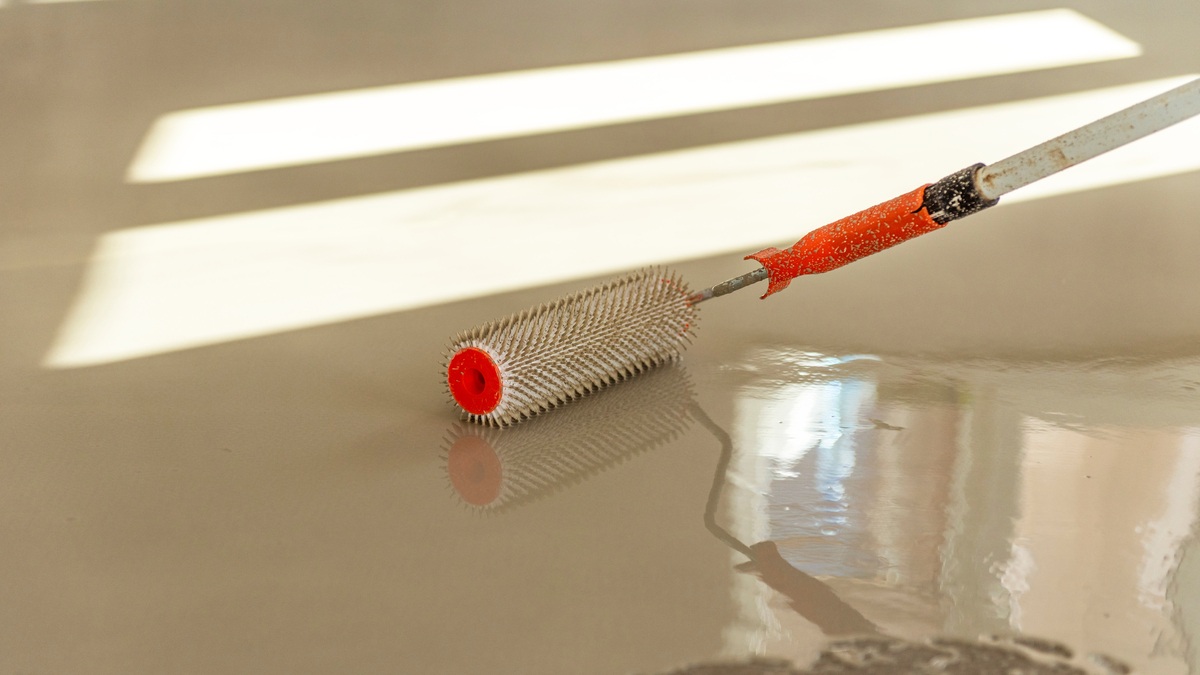
Sealing your garage floor is a smart way to extend the life of your concrete, improve its appearance, and prevent costly repairs down the road. Whether you prefer a natural matte finish or a bold, glossy coating, there’s a sealer that fits your needs and budget. The appropriate protection is crucial, whether you choose penetrating sealers or epoxy coatings. Contact Richfield Concrete today for expert help selecting and applying the best concrete sealer for garage floors. As Minneapolis’ trusted concrete and paving specialists, we provide durable, long-lasting solutions that withstand Midwest weather and daily wear.